15 minutes ago
Indian Muslim lawmaker seeks UN help over water cutoff to Muslims
Lawmaker raises religious discrimination with UN after Muslim-majority neighborhood in Kolkata goes over two months without regular drinking water
© File Photo
NEW DELHI, India (MNTV) — An Indian Muslim lawmaker has sought United Nations intervention over discriminatory water cutoff affecting nearly 5,000 residents, mostly Muslims, in the eastern city of Kolkata, where families have been struggling without regular drinking water for more than two months.
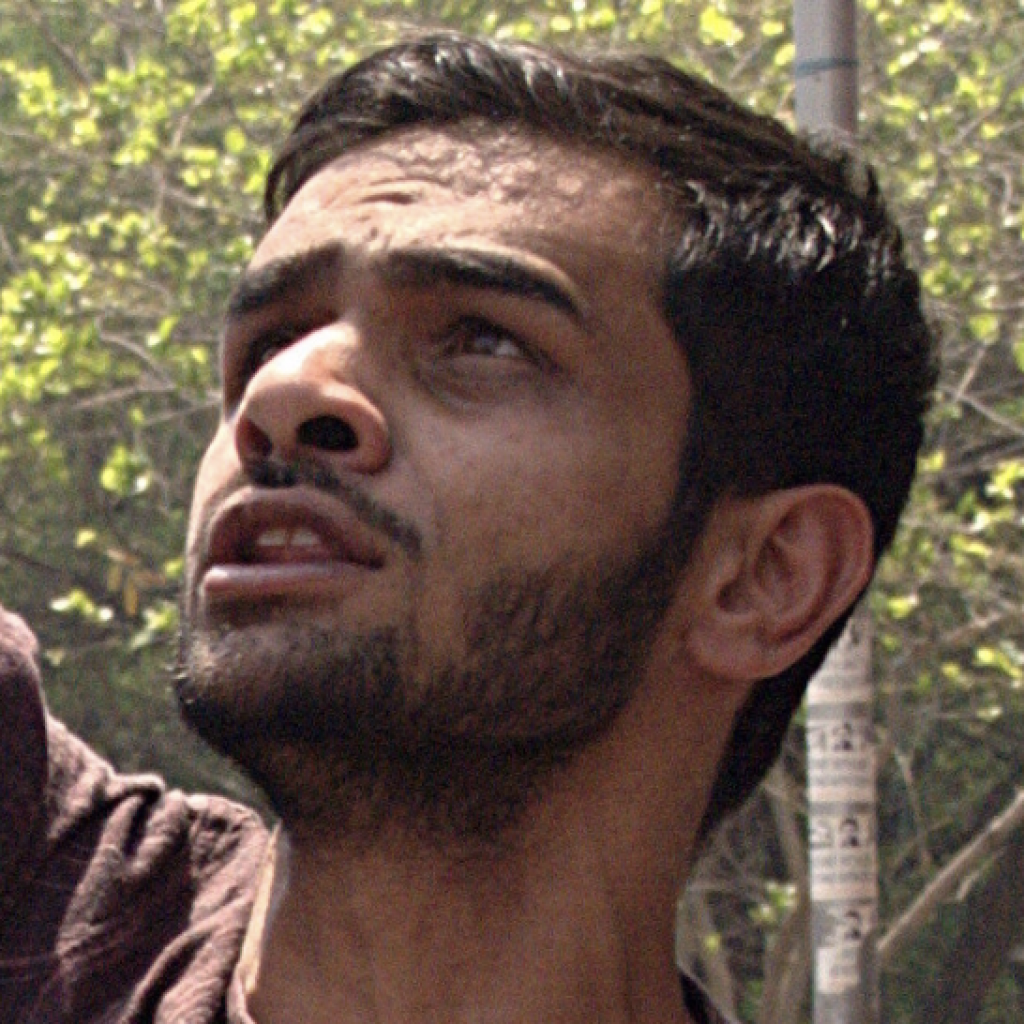
Samirul Islam, a member of India’s upper house of Parliament from the Trinamool Congress party, has written to the UN Office of the High Commissioner for Human Rights (OHCHR).
He has that the predominantly Muslim neighborhood of Jyotinagar Colony has been deprived of water following the Hindu nationalist Bharatiya Janata Party’s (BJP) electoral victory in West Bengal.
According to Indian media, residents of Jyotinagar Colony in Kolkata’s Cossipore area have been without regular tap water since July 29, forcing families to depend on irregular water tankers, assistance from neighboring communities and water from the Ganga River.
The prolonged disruption has raised concerns about sanitation, public health and access to safe drinking water, particularly for children and elderly residents.
In his letter, Islam described the situation as an urgent humanitarian and human rights concern, accusing local BJP leaders of treating Muslim residents as undeserving of basic services because they had not supported the party in elections.
Residents have similarly alleged religious discrimination, pointing out that water connections in neighboring Hindu-majority areas continue to function while their own community remains without a reliable supply.
Some Hindu neighbors have reportedly shared their water with affected Muslim families, although residents say the arrangement is insufficient to meet daily needs.
Those helping have also expressed concerns that their own water connections could face retaliation.
The allegations have been linked to remarks attributed to local BJP legislator Ritesh Tiwari, who reportedly suggested that he would not undertake development work for Muslims who had not voted for him.
The allegations of politically motivated discrimination have not been independently established.
Islam has urged the UN human rights office to seek explanations from Indian authorities about the continued disruption, measures being taken to provide immediate relief and plans to restore a permanent drinking water supply.
He also called for particular attention to the health risks facing children, elderly people and other vulnerable residents.
The lawmaker argued that access to clean drinking water is an internationally recognized human right and that the situation should not be treated merely as a municipal infrastructure problem.
The United Nations General Assembly formally recognized the human right to safe and clean drinking water and sanitation in 2010, emphasizing their importance for the enjoyment of life and other fundamental rights.
India’s constitutional framework also recognizes access to safe drinking water as part of the right to life under Article 21, as interpreted by the country’s higher courts.


Read also