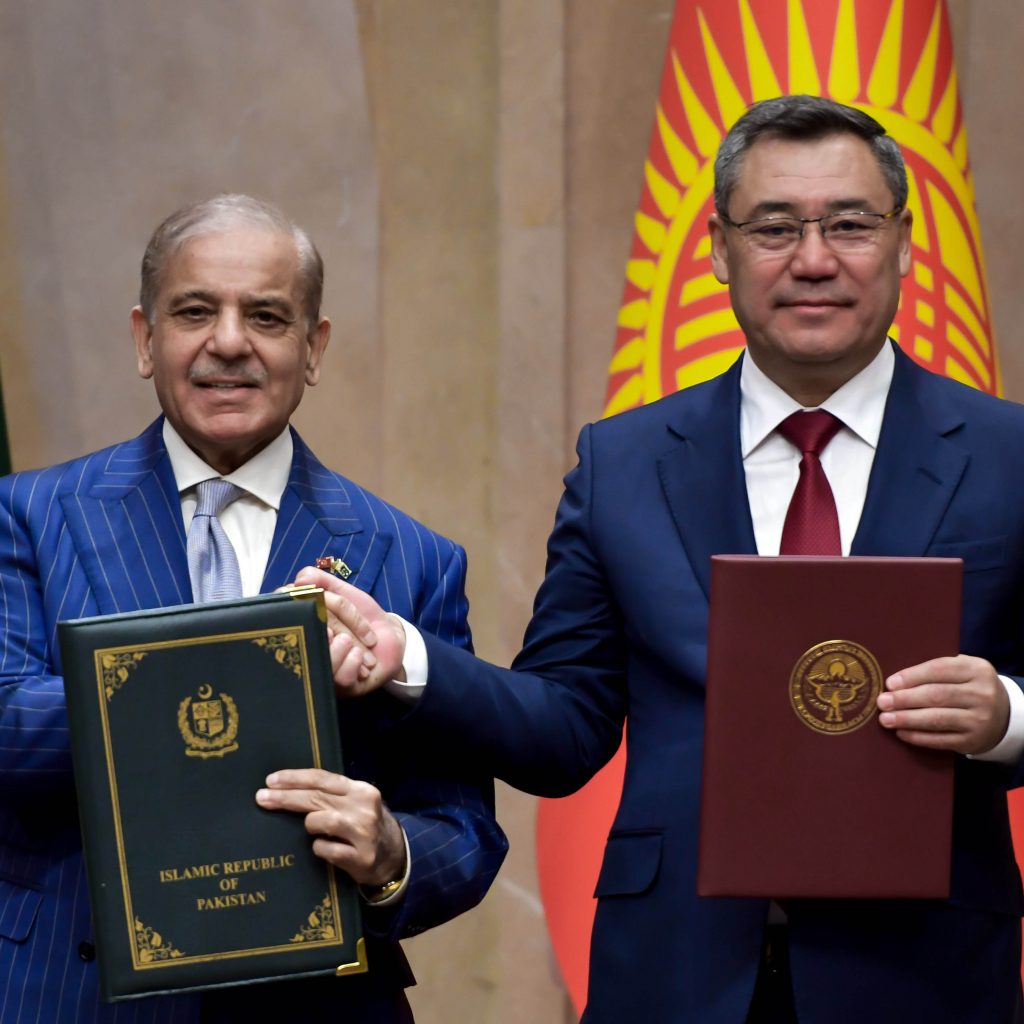
Syria launches national platform to trace missing persons
New initiative seeks to centralize data, support families, and boost cooperation with civil society
© File Photo
DAMASCUS, Syria (MNTV) — Syria’s National Commission for the Missing has launched a unified platform aimed at documenting cases of missing persons, tracing their fate, and offering legal and humanitarian support to families, state media reported.
The Commission, established by presidential decree in May, is tasked with building a national database, assisting relatives of the disappeared, and coordinating efforts with relevant institutions.
The initiative was unveiled during a workshop in Damascus, where officials highlighted its goal of enhancing cooperation between government bodies and civil society organizations.
Mohammed Reda Jalkhi, head of the Commission, said the platform would help “strengthen national unity in addressing this humanitarian issue.”
He outlined a six-month plan that includes direct consultations with families, collaboration with local institutions, and the creation of a digital archive to consolidate information on missing persons.
To improve identification processes, agreements have been signed with the Ministries of Health and Education as well as the Atomic Energy Commission to access specialized laboratories for DNA testing.
Jalkhi noted that the use of scientific tools would enhance efforts despite the lack of official statistics, with most data currently provided by independent monitoring groups.
Civil society leaders welcomed the step. Julnar Ahmed, director of the Syrian Archive Program, said the platform would “pool resources and expertise, speeding up documentation and expanding support for families.”
According to monitoring networks, at least 181,312 people have been detained or forcibly disappeared in Syria since 2011, including 5,332 children and 9,201 women.
Nearly 177,000 of them are classified as forcibly disappeared, with close to 90 percent of cases attributed to the former regime. An estimated 160,000 remain in detention, while other armed groups are responsible for the rest.

Read also