Mauritania becomes seventh African nation to eliminate disease causing blindness
© File Photo
Trachoma mainly affects vulnerable communities lacking access to clean water and sanitation
NOUAKCHOTT, Mauritania (MNTV) — Mauritania has officially eliminated trachoma as a public health problem, becoming the seventh country in the World Health Organization’s African Region to achieve this milestone.
The WHO validated the country’s elimination status during the Seventy-eighth World Health Assembly in Geneva.
Trachoma is a contagious bacterial eye infection that can cause irreversible blindness if left untreated, due to clean water, hygiene, and sanitation.
The disease is spread through personal contact, flies, and unclean living environments, and primarily affects children and women in rural areas.
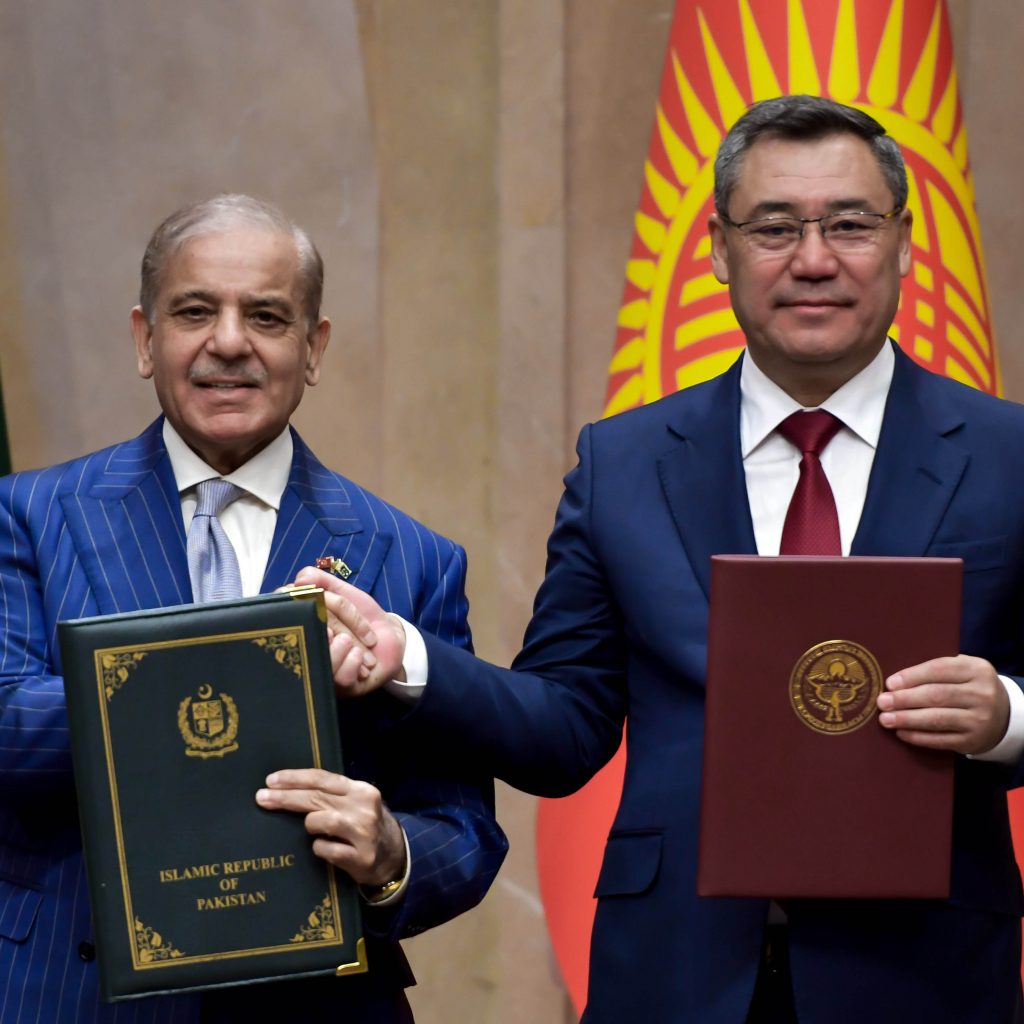
The WHO validation certificate was received by Mauritanian Minister of Health Abdallahi Sidi Mohamed Wedih and Ambassador Aïcha Vall Vergès in recognition of the country’s decades-long efforts to combat the disease.
“I congratulate the government and the people of Mauritania for this achievement,” said Dr Tedros Adhanom Ghebreyesus, WHO Director-General.
“This is another example of the incredible progress we have made against neglected tropical diseases and gives hope to many other nations still fighting against trachoma.”
Mauritania’s fight against trachoma dates back to the 1960s. However, a coordinated national elimination effort began in the early 2000s with support from WHO, the Organization for the Prevention of Blindness (OPC), and the Institute of Tropical Ophthalmology of Africa (IOTA).
The country adopted WHO’s SAFE strategy—Surgery, Antibiotics, Facial cleanliness, and Environmental improvements—to tackle the disease.
This included mass distribution of the antibiotic azithromycin donated by Pfizer through the International Trachoma Initiative, as well as community awareness campaigns to promote hygiene and sanitation.
“Eliminating trachoma is a landmark victory for public health in Mauritania,” said Dr Charlotte Faty Ndiaye, WHO Representative in Mauritania.
“This success reflects the strong leadership of the government and the dedication of health workers, communities, and international partners.”
WHO said it will continue to support Mauritania in monitoring communities where the disease was previously prevalent to ensure there is no resurgence.

Read also