Rare Bollywood voices call for peace as India-Pakistan tensions rise
Bollywood stars voice rare dissent on the war, while the industry rushes to register titles, fueling nationalistic fervor
MUMBAI, India (MNTV) – As tensions soar between India and Pakistan following the Pahalgam attack and India’s subsequent “Operation Sindoor,” Bollywood has become a stage for both staunch nationalism and rare calls for peace.
While many stars celebrated the Indian military strikes, Indian actress Mandana Karimi shocked audiences with her sharp critique. “The world is on fire,” she shared in an Instagram story.
“India bombing Pakistani Kashmir, murdering civilians and children moments ago.”
The Instagram story drew parallels to global patterns of violence, saying, “Zionism, Hindutva Fascism, and American exceptionalism continue to rage and burn all in their path.”
The backlash was swift and unforgiving, with calls to revoke Karimi’s visa and send her “back to Iran.”
In her defense, the actress explained, “A message not about religion or politics, but about peace, can attract negative backlash.”
Having lived in India for 16 years, Karimi emphasized her right to speak, adding, “I’m proud of India… but I also believe we must advocate for peace.”

Other celebrities joined the conversation, albeit more cautiously.
Hina Khan posted, “No one wins in a war. No one. Innocents die on both sides…I wish and pray for de-escalation.”
Sonakshi Sinha, a prominent Bollywood actress, turned her criticism towards the media, calling out sensationalist war coverage.
“Our news channels are a joke! I’m so done with these over-dramatized visuals and sound effects, the screaming and shouting! Stop sensationalizing WAR… just do your job, report facts.”
Her statement sparked a wave of online criticism, with right-wing Indian social media branding her as “anti-national” and suggesting she “relocate to Pakistan.”

Malayalam actress Amina Nijam condemned the strikes outright, calling them a “shameful act.”
In her viral Instagram story, she wrote, “Yes, I’m ashamed our country sought out killing as the solution… War doesn’t bring peace nor does killing. People who think they have sought revenge for the Pahalgam attack have been manipulated.”
Richa Chadha added a more reflective note: “It is not a match. It is not a game. War is sombre… Pause for a second and think of the people residing near our borders.”

Profiting from war
In stark contrast to these voices, Bollywood’s dominant narrative leaned heavily towards jingoistic nationalism.
15 filmmakers and studios rushed to register the title “Operation Sindoor” for future projects.
Names reportedly involved include large production houses like T-Series and Zee Studios.
Though Reliance Industries initially appeared on the list, it later denied any intent to pursue the title, stating that an unauthorized application had been filed by a junior employee.
Federation of Western India Cine Employees (FWICE) president BN Tiwari confirmed this frenzy, highlighting the industry’s opportunistic response to real-world events.
Ashoke Pandit, one of the Hindu nationalist applicants, openly admitted, “Whether a film will be made on the topic is still far-fetched, but as filmmakers, we often register titles the moment something interesting happens.”
This trend, far from new, reflects Bollywood’s proclivity for capitalizing on nationalistic fervor.
The rise of anti-Pakistan narratives in Bollywood is closely tied to the Hindu supremacist Bharatiya Janata Party (BJP), whose government has aligned the film industry with its political agenda since 2014.
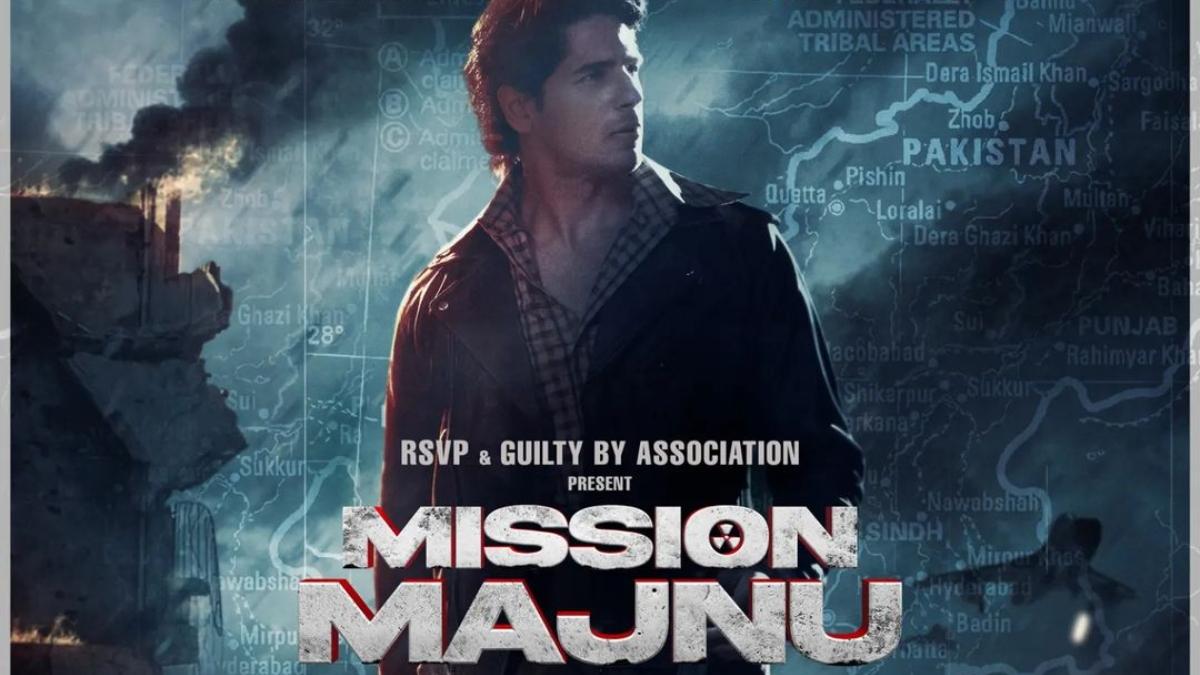
The success of hyper-nationalist anti-Pakistan movies like Uri: The Surgical Strike and Mission Majnu are good examples of the profitability of such themes.
However, this alignment has drawn criticism for perpetuating xenophobia and glorifying conflict, with producers catering to a market shaped by divisive rhetoric.
While some Bollywood voices courageously challenge the tide, the majority seem content to reinforce it. As Richa Chadha poignantly noted, “War is sombre”—a sentiment overshadowed by an industry eager to turn real-world conflict into cinematic spectacle.

Read also