The Strange Case of Bill C9, or the “Hate Crime” Bill
Let’s simplify this for easier understanding: In an era where social media dictates trends, lifestyles, emotions, and even language, we can draw a parallel to Bill C9. When we dislike a video and hit the thumbs-down button, are we expressing “hatred” towards the content, or merely indicating that it doesn’t amuse us? Should social media platforms remove the ‘dislike’ button entirely because it might make content creators feel “victimized”? And more critically, should individuals be punished by law for this action?
According to the proponents of Bill C9, publicly expressing disapproval or dislike for any action or event by an individual, institution, or group could be classified as a “hate crime.” And those expressing such views could face legal repercussions.
This bill raises many questions and casts a long shadow over what most Canadians consider their birthright as citizens of a free, democratic society: freedom of expression.
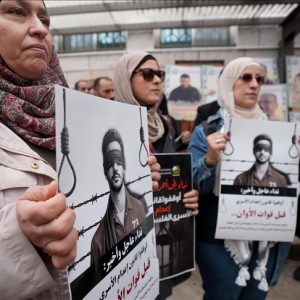
Tim McSorley, of the International Civil Liberties Monitoring Group, has stated that the bill threatens free expression, freedom of assembly, and the ability to engage in protest and dissent. He made these remarks at a press conference on Parliament Hill today, alongside representatives from the Public Service Alliance of Canada, the Canadian Muslim Public Affairs Council, and Independent Jewish Voices.
Questions That Should Concern Us All:
Who determines if an individual or group’s opposition, dislike, or disavowal constitutes a hate crime? How can a select group of individuals be trusted to assess hate crimes accurately without allowing their personal feelings to influence their judgment? Over the last three years, during the Gaza conflict, many Canadians were unconvinced that the actions occurring in Palestine amounted to Genocide. How will the government ensure that those adjudicating such cases remain free from bias and partisanship, particularly when accusations of “hate” are at stake?
What criteria will be used to establish evidence of a hate crime? The bill states: “Public display of a terrorist or hate symbol.” Does this include the Palestinian Keffiyeh, which has historically been associated with a group outlawed in Canada? Would someone wearing it—or even a garment patterned similarly—face penalties? Who defines which symbols are considered hateful and which are not? Is the blue and white flag of Israel, which provokes feelings of dread among many Canadian Arabs, also a symbol of hate?
Furthermore, the bill seeks to criminalize intimidation and obstruction of access to places of worship and other community spaces. How will the law differentiate between protests near these locations that are not targeting them specifically? Can the law truly differentiate, or will it apply a one-size-fits-all approach?
The bill does aim to codify a definition of “hatred” as “detestation or vilification,” distinguishing it from mere dislike or offence. However, who decides when that line is crossed? We are dealing with semantic nuances. Will linguists judge the messages we display on placards? What if the message is in a foreign language—will in-country specialists be consulted?
Words can have multiple meanings depending on context, time, and usage. How can this law, if enacted, monitor and ensure that the correct “hate code” has been applied in a given case? Will this place an added burden on our already overwhelmed judicial system?
As expected, the Canadian Civil Liberties Association (CCLA), in collaboration with the Canadian Muslim Public Affairs Council (CMPAC) and supported by 37 civil liberties and community organizations, has raised serious concerns about this bill. Meanwhile, B’nai B’rith, a Jewish advocacy group, has called on Parliament to adopt it.


Read also