Israel blocks Southern Lebanon reconstruction even after truce
Post-ceasefire airstrikes, intimidation and territorial presence hinder return of displaced families in southern Lebanon
© Anadolu Agency
BEIRUT, Lebanon (MNTV) — Israel has continued military operations in southern Lebanon despite a ceasefire reached with Hezbollah in November 2024, raising concerns about the reconstruction efforts being deliberately obstructed through sustained airstrikes, surveillance and intimidation.
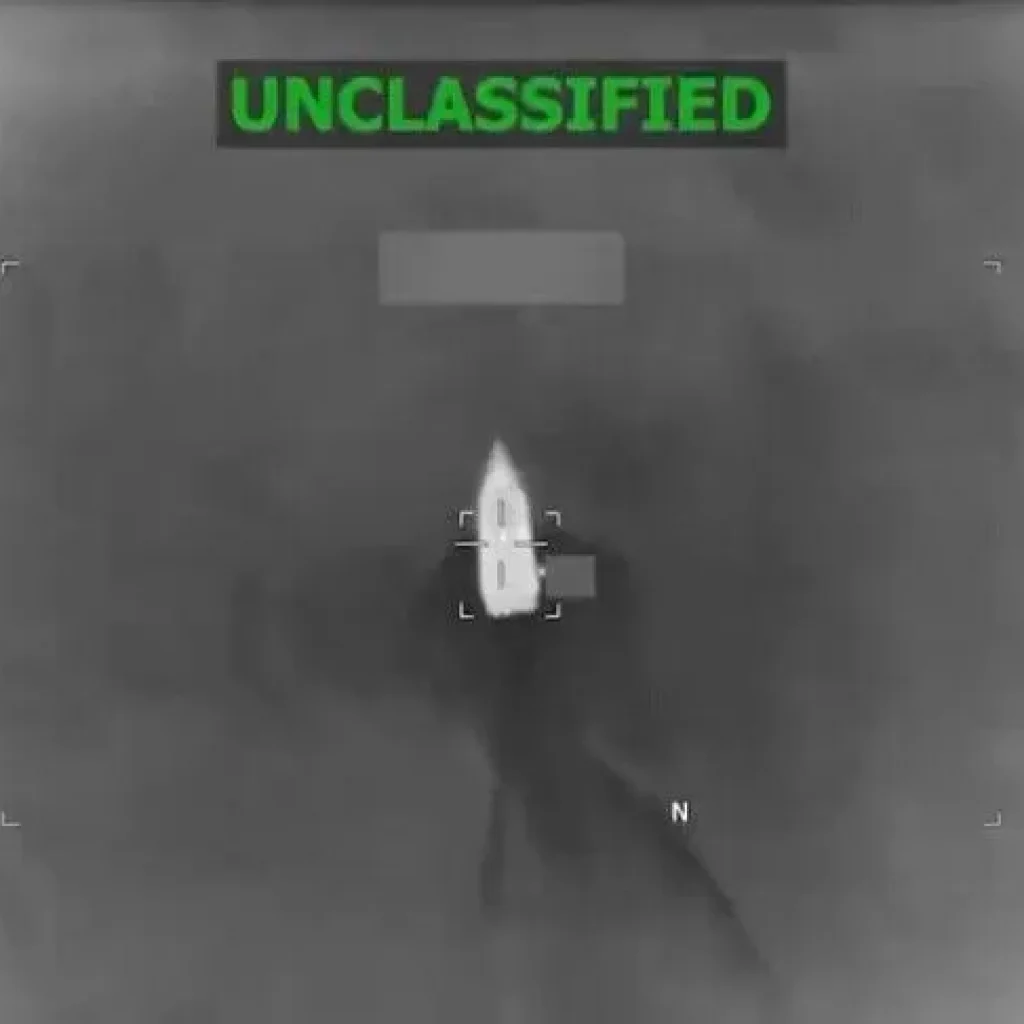
Israeli warplanes continue striking buildings in several southern villages, following earlier attacks on the town of Ebba in Nabatieh governorate killing innocent civilians.
The Israeli military has said it was targeting Hezbollah positions, but local residents say civilians and civilian infrastructure continue to bear the impact.
Instead of facilitating the return of displaced families, Israeli strikes have repeatedly hit roads, farmland and sites under reconstruction, leaving large areas unsafe for resettlement. Entire neighborhoods remain deserted as residents fear renewed attacks.
Local officials and rights groups report that Israeli drones frequently target bulldozers, excavators and prefabricated housing units, equipment used for rebuilding homes and infrastructure.
Human rights organizations say these attacks suggest an effort to prevent post-war recovery rather than address immediate security threats.
Israeli aircraft have also dropped warning leaflets over border communities, threatening residents not to return and threatening further strikes. Lebanese officials describe the tactic as psychological pressure aimed at prolonging displacement.
Since October 2023, more than 4,000 people, including women and children, have been killed in Lebanon by Israeli military, according to Lebanese sources. Hundreds of those deaths occurred after the November 2024 ceasefire, in what authorities say were violations of the truce.
Israel continues to maintain a presence at five locations inside Lebanese territory, using drones, artillery fire and snipers to enforce what observers describe as a de facto buffer zone. These positions allow Israeli forces to monitor and strike across much of southern Lebanon.
The Lebanese government has recorded more than 2,000 ceasefire violations in the final months of 2025 alone.
The International Organization for Migration estimates that at least 64,000 people remain internally displaced, many from border villages where farming and reconstruction efforts are repeatedly targeted.
Hezbollah and allied groups say Israel’s actions go beyond security concerns and are aimed at weakening southern communities and reshaping the region’s political and geographic realities.
They describe that continued strikes on civilian infrastructure, territorial occupation and intimidation reflect long-term strategic ambitions.
Despite ongoing pressure, residents of southern Lebanon say they remain determined to return, rebuild and remain on their land. Local communities say resilience and continued resistance remain central to preventing further displacement.
Southern Lebanon has endured repeated cycles of conflict and destruction, but residents insist that recovery and return remain possible despite continued military pressure.
Related posts
Read also