Indian jingoistic TV crews jeered by Nepal protesters amid unrest
Viral clips show Nepalese demonstrators chasing Indian journalists, accusing them of distorting youth-led uprising into a spectacle while ignoring corruption and inequality
© File Photo
KATHMANDU, Nepal (MNTV) — Nepal’s youth-led uprising that forced Prime Minister K. P. Sharma Oli to resign has now spilled into a backlash against Indian television networks, with demonstrators accusing them of acting as “godi media” — a label used in South Asia to describe pro-government, jingoistic outlets aligned with Hindutva politics.
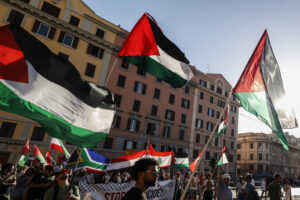
Viral clips circulating on X and other platforms show crowds surrounding Indian reporters in Kathmandu, chanting “Go back Indian media” as journalists attempted to cover the protests. Eyewitnesses said an Indian reporter and a cameraperson were jeered and blocked by protesters who accused their channels of misrepresenting the movement.
The frustration, protesters say, stems from coverage that reduces their mobilization to a dispute over a social media ban, while downplaying the deeper grievances driving the unrest—endemic corruption, elite capture of politics, unemployment, and a demand for dignity and accountability.
“The Indian media is not covering our story; they’re creating their own,” one activist told local reporters, requesting anonymity. “They’re making it a spectacle about a social media ban, while we are out here for our future.”
The hostility has precedent. After the 2015 earthquake that killed nearly 9,000 people in Nepal, Indian channels faced widespread criticism for sensationalist and self-congratulatory coverage that overshadowed humanitarian reporting. Hashtags calling for a boycott of Indian media trended across Nepal at the time, reflecting a long-simmering resentment of how Indian outlets frame their smaller neighbor.
By adopting the term “godi media” — first popularized in India to describe pro-Hindutva propaganda networks — Nepalese protesters are signaling rejection of a journalism style they see as hostile to truth and subservient to power. Analysts say the backlash underscores how Indian media, already ranked among the lowest globally on press freedom indices, is losing credibility beyond its borders.
For many young Nepalese, pushing Indian anchors out of protest sites is symbolic of something larger: reclaiming their own narrative at a moment when their movement is not just against corruption, but also against being misrepresented on the world stage.
Related posts


Read also