Gulf states urge de-escalation as Trump mulls US strikes on Iran
Arab monarchies step up diplomacy with Tehran to avoid regional fallout, as Arab countries host US bases in the region
© Anadolu Agency
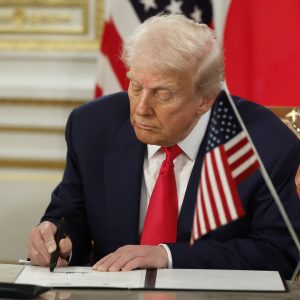
RIYADH, Saudi Arabia (MNTV) — Gulf Arab states are intensifying diplomatic engagement with Iran amid rising fears of being drawn into the expanding conflict between Tehran and Tel Aviv, as former US President Donald Trump weighs potential American military strikes against Iran.
Senior Gulf leaders — including those from Saudi Arabia, the United Arab Emirates, Qatar, Oman, and Kuwait — have held multiple conversations with Iranian President Masoud Pezeshkian and Foreign Minister Abbas Araghchi, conveying concern over Israel’s attacks and expressing solidarity with Iran.
According to Financial Times, the Gulf states are alarmed that any US military involvement could trigger Iranian retaliation, especially against countries that host American bases. Officials fear such escalation could imperil oil and gas exports and even prompt Iran to close the Strait of Hormuz, a critical global energy chokepoint.
“US strikes would be a worst-case scenario for Gulf countries,” Bader Al-Saif told Financial Times, assistant professor at Kuwait University. Abdulkhaleq Abdulla, a senior fellow at Harvard Kennedy School, added that US allies in the Gulf risk being “guilty by association” if Washington takes direct military action.
Qatar and Oman, which maintain historically strong ties with Tehran, are reportedly mediating between Iran and the United States, conveying messages on potential de-escalation. Sources indicate Iran has signaled willingness to negotiate if Israeli attacks are halted.
While Saudi Arabia and the UAE have traditionally taken a harder stance on Iran — backing Trump’s 2018 “maximum pressure” campaign — they have now joined calls for a ceasefire and renewed diplomacy on Iran’s nuclear program. Both countries are concerned about Iran’s missile capabilities and past regional hostilities, but equally wary of unchecked Israeli aggression.
In private, Gulf officials have expressed unease with Trump’s unpredictability, despite maintaining cordial ties. During Trump’s recent visit to the region, Gulf leaders welcomed his criticism of past US interventions. However, since Israel’s strikes began, they have urged Washington not to use Gulf-based military assets in any attack on Iran.
The risk of Gulf retaliation remains high. In 2019, Iran was blamed for a drone and missile strike on Saudi Aramco facilities, disrupting half the kingdom’s oil output. The attack followed rising tensions after the US withdrew from the Iran nuclear deal.
Despite a recent warming of ties with Israel, including normalization agreements by the UAE and Bahrain in 2020, Gulf leaders have grown critical of Israel’s conduct in Gaza and Syria. They now fear that an emboldened Israel could destabilize the region further.
“The Gulf sees both Israel and Iran as sources of instability,” said Abdulla. “One is about to be eliminated, the other is becoming too powerful — neither outcome serves regional balance.”
Related posts


Read also