Global experts urge Bangladesh to reform Rohingya education system
Delegation, composed of prominent international human rights and policy experts, presented key recommendations following site visits to the Rohingya camps in Cox’s Bazar
© AA
MNTV Staff Writer
DHAKA, Bangladesh (MNTV) – An international delegation led by Justice For All’s Burma Task Force has urged Bangladesh to adopt a unified, accredited, and inclusive education framework for Rohingya refugees.
The group called education the “next bridge” to stability and self-reliance for the displaced community in Cox’s Bazar.
Speaking at a press conference at the Golden Tulip – The Grandmark Dhaka, the delegation of global human rights and policy experts presented its recommendations after a multi-year study and site visits to Rohingya camps.
Their memorandum to Bangladeshi Foreign Secretary Dr. Khalilur Rahman outlined three key steps: a national policy directive for Rohingya education, an accredited certification system to open paths to higher learning and employment, and permission for U.S. Muslim relief groups to support educational programs in the camps.
“The government and people of Bangladesh have done more than any other nation in the world to show compassion to the Rohingya,” said Imam Abdul Malik Mujahid, President of Justice For All and Chair of the Burma Task Force.
“Now is the moment to build the next bridge: education. A coherent and accredited system will ensure that Rohingya children, especially girls, are not denied their future.”
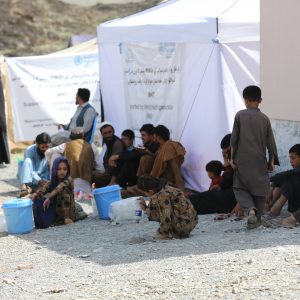
The delegation’s study, which included survey research involving 1,000 Rohingya women and school visits across multiple camps, found that while 52% of school-aged Rohingya are female, only about 3% are currently enrolled in any educational program.
“During my visit to the Rohingya camps in Cox’s Bazar, I met families who understand that education is the key to their children’s future,” said Nadine Maenza, former chair of the U.S. Commission on International Religious Freedom.
“For Bangladesh, allowing education in the camps is not just an act of compassion — it is a strategic investment in stability. An uneducated generation will deepen dependency and insecurity, while an educated one can contribute to peace and resilience.”
Richard Reoch, former spokesperson for Amnesty International, described education as “a life-saving pathway to recovery for young people trapped in the horrific aftermath of genocide.”
He added: “Just as much as they need food and water, these young minds need the systematic care and skills-training that education provides. Education is their passport to a new life.”
The delegation praised the Office of the Refugee Relief and Repatriation Commissioner (RRRC) for enabling dialogue and field access, and acknowledged Commissioner Mizanur Rahman’s engagement with Rohingya leaders, UN agencies, and NGOs to explore new education models.
Imam Mujahid said Justice For All is ready to mobilize resources from the U.S. Muslim community, whose annual charitable giving exceeds $4 billion, to strengthen Rohingya education.
“We stand ready to partner with Bangladesh to ensure that no child is left behind,” he said.
Justice For All, a U.S.- and Canada-based human rights organization, defends persecuted minorities through advocacy, legal accountability, and humanitarian partnerships.
Its Burma Task Force has led international efforts to end the Rohingya genocide, engaging in congressional advocacy, submissions to the International Criminal Court, and campaigns for justice and dignity.
Related posts


Read also