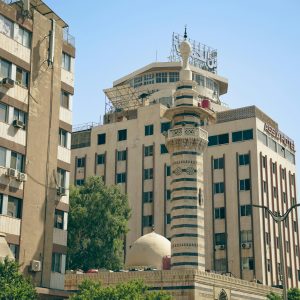
Another Delhi mosque faces demolition threat
Muslim groups warn legal scrutiny of Bawli Masjid risks turning into demolition campaign amid growing hostility toward Islamic sites in India’s capital
© File Photo
NEW DELHI, India (MNTV) — Another mosque in India’s capital is facing demolition fears, deepening anxiety among Muslims that places of worship are being systematically targeted under the cover of legal scrutiny, even when no violation has been established.
The latest case involves Bawli Masjid, located in south Delhi’s Defence Colony area, after the Delhi High Court directed the Municipal Corporation of Delhi to examine allegations of encroachment and take action only if violations are proven through due process.
The court did not order demolition. It asked the civic body to verify records, conduct an inspection, and follow the law.
Despite the limited nature of the order, the mosque has quickly become the focus of public agitation, television debates, and online campaigns — a pattern Muslim groups say mirrors earlier cases where administrative procedures were transformed into demolition drives under ideological pressure.
The development comes close on the heels of demolition linked to the Faiz-e-Ilahi dargah near Turkman Gate, reinforcing fears that mosques and dargahs are increasingly being placed in the dock first, with facts examined later.
Muslim community leaders say the renewed focus on Bawli Masjid intensified after Hindutva organizations reacted angrily to photographs circulating on social media showing film personalities Payal and Mannara visiting Muslim religious sites. They argue that cultural hostility was swiftly converted into allegations of illegality, shifting the debate from faith and expression to land and encroachment.
An imam associated with the mosque said Bawli Masjid has existed for decades and has never operated outside the law. “We welcome lawful verification,” he said. “But what is happening now is trial by television and street pressure. Faith cannot be judged by rumors or outrage.”
Some residents opposing the mosque, quoted on television channels, have claimed that the structure expanded over time and now lies close to railway land. Muslim residents reject those claims, saying routine repairs and maintenance were carried out openly for years without objection or notices from authorities.
“I have seen this mosque since my childhood,” said a local shopkeeper. “If it were illegal, why was it never questioned before? These claims are surfacing now because mosques everywhere are under attack.”
Legal experts stress that the high court’s order does not authorize coercive action. A Delhi-based lawyer said the civic body is bound by law to issue notices, allow hearings, and establish clear proof before any step is taken. “Bulldozers cannot replace the rule of law,” the lawyer said.
Community organizations have also questioned why mosques repeatedly become focal points of prime-time outrage, while similar questions around other religious or commercial structures rarely attract the same political urgency. “Equality before law must mean equality in enforcement,” said a representative of a Muslim welfare body. “Selective action erodes trust and deepens fear.”
The municipal corporation is expected to submit its findings after inspection. Until then, Muslim organizations have urged restraint while warning authorities against acting under public or ideological pressure rather than documented facts.
For many in Delhi’s Muslim community, the Bawli Masjid case is not an isolated civic matter but part of a wider pattern in which Muslim religious spaces are increasingly made vulnerable, even before any wrongdoing is proven.

Read also