“Orange Warning” in Effect in Toronto
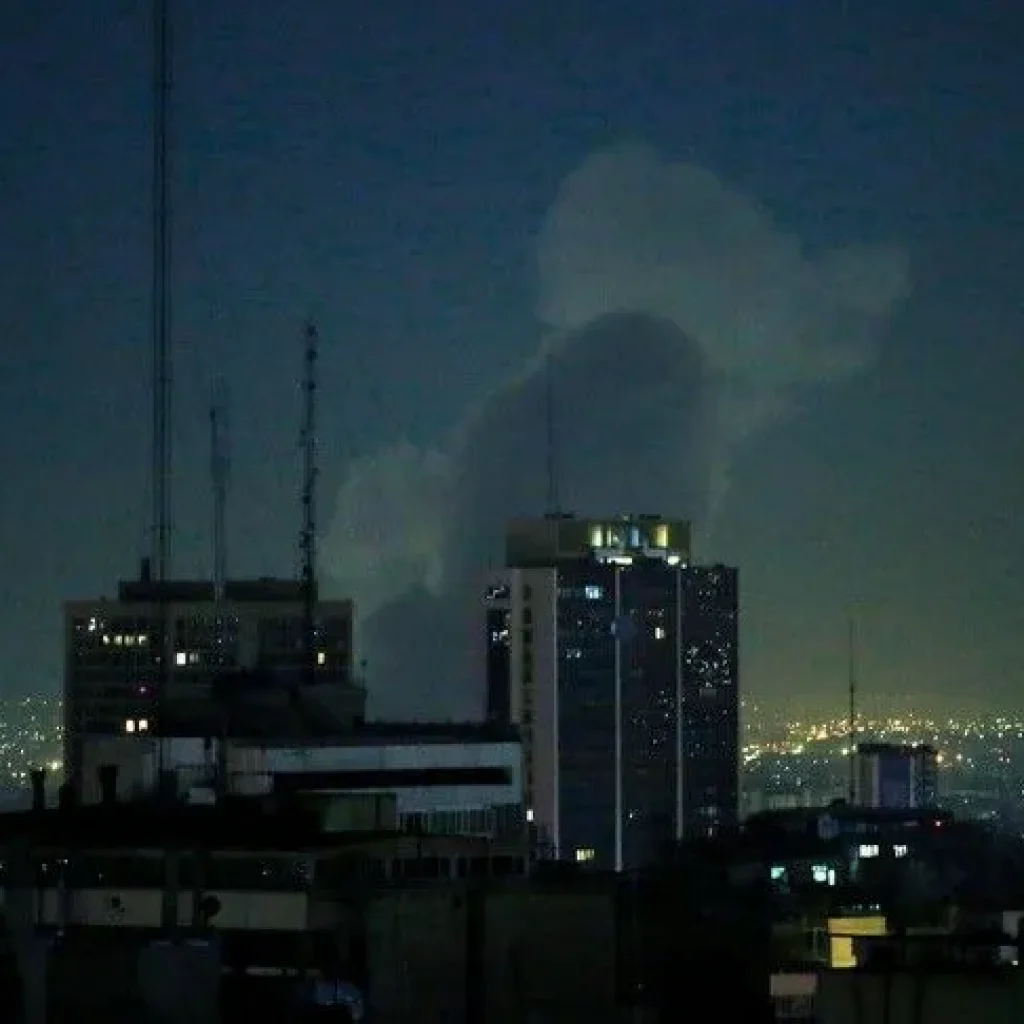
On July 15, 2026, Toronto experienced some of the worst air quality in the world as heavy wildfire smoke enveloped the city, prompting Environment Canada to issue a special air quality warning.
A yellow alert was also issued for Vancouver, advising residents of British Columbia to be vigilant about wildfire smoke for the next 24 to 48 hours.
According to the Air Quality Health Index (AQHI), Toronto’s air quality was 8, indicating a high risk. By late afternoon, some areas in the Greater Toronto Area (GTA) registered a decline to 6. However, conditions are expected to worsen overnight, with the index possibly reaching 10 or higher, which falls under the “very high risk” category.
Environment Canada attributed the deteriorating air quality to smoke from wildfires in northwestern Ontario and warned that exposure to heavy wildfire smoke can negatively impact health. Certain populations are at a greater risk.
This warning follows a three-day heat wave in the city, with Environment Canada lifting its yellow heat warning just before 4 p.m. on Wednesday. The poor air quality, which began Tuesday night, may persist until Friday morning, according to alerts.
Health Impact: Residents can expect symptoms such as eye, nose, and throat irritation, headaches, and mild coughing. More severe but less common symptoms can include wheezing, chest pain, and a severe cough.
Vulnerable Populations: Those most at risk include adults aged 65 and older, pregnant individuals, infants and young children, as well as anyone with pre-existing illnesses or chronic health conditions.
Outdoor workers are encouraged to limit or avoid strenuous activities and seek medical attention if they experience concerning symptoms.
Residents are advised to keep windows and doors closed to minimize indoor smoke exposure.
Heat Warning Remains in Effect: Alongside the wildfire smoke, Environment Canada has issued a yellow heat warning for Toronto due to ongoing hot, humid weather.


Read also