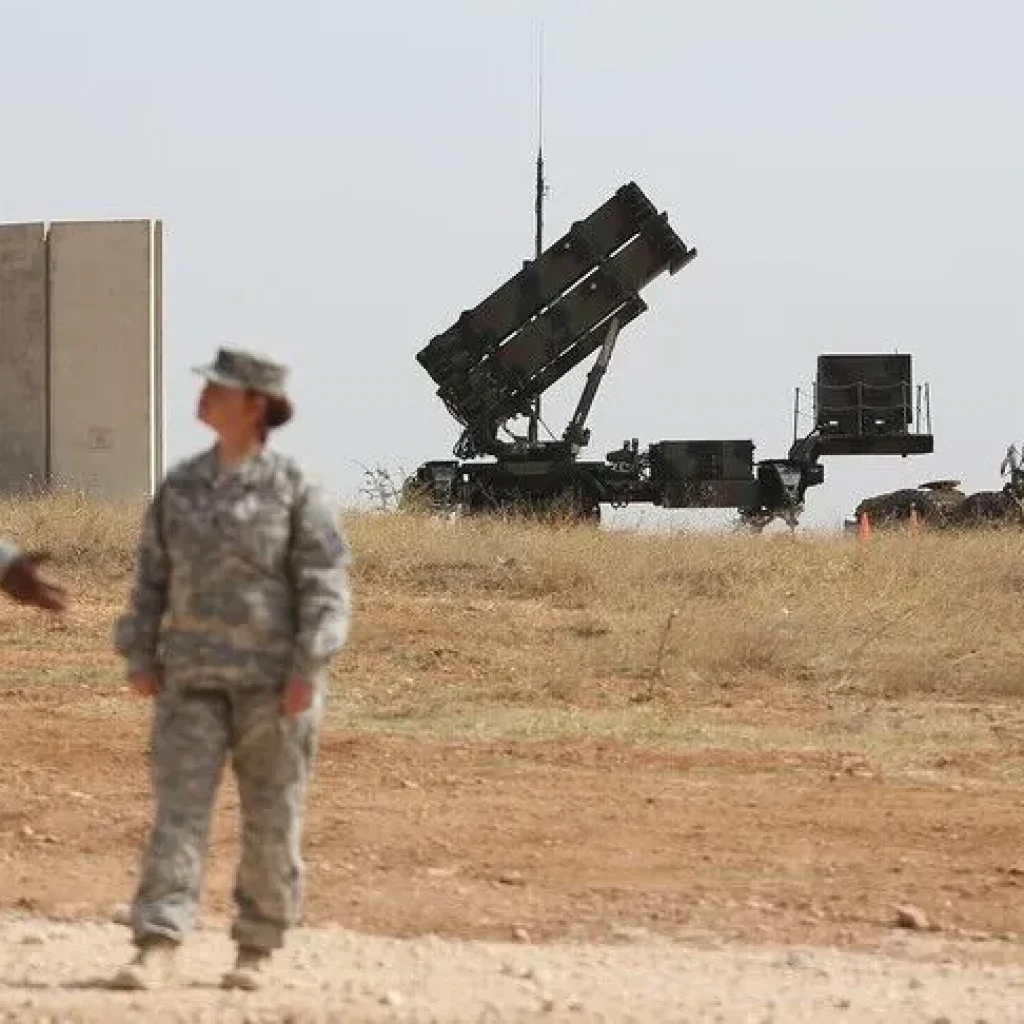
Iraq reviews security leadership ahead of reshuffle
Government evaluates military and security commanders as part of planned reforms across key defense institutions
© Anadolu Agency
BAGHDAD, Iraq (MNTV) – Iraq is preparing a broad reshuffle of senior military and security leadership positions following a nationwide review of commanders’ performance, according to government, military and parliamentary sources.
The planned changes are expected to affect the Ministries of Defense and Interior, intelligence and counterterrorism agencies, national security institutions, and the Popular Mobilization Forces (PMF), which oversees dozens of armed factions across the country.
Officials said the measures will be implemented after ongoing evaluations and audits of commanders are completed. The process is being overseen by Prime Minister Mohammed Shia al-Sudani, who serves as commander-in-chief of Iraq’s armed forces under the constitution.
Sources indicated that limited personnel changes have already begun within positions linked to the prime minister’s military office, while wider restructuring is expected once permanent defense and interior ministers are appointed.
Both ministries are currently being managed on an acting basis due to political disagreements that have delayed parliamentary approval of nominees.
The anticipated changes are also expected to include senior PMF leadership positions. Officials said the government aims to strengthen professionalism within the organization and reduce the influence of political figures in executive roles.
Yasser Watout, rapporteur of the Iraqi parliament’s Security and Defense Committee, said regular assessments are necessary to ensure security institutions remain capable of responding to evolving challenges.
He said the government seeks to promote competence, achievement and professional standards in military and security appointments while improving coordination among different security agencies.
Military adviser Lt. Gen. Safaa al-Aasam also supported the review process, describing leadership evaluations and periodic rotations as important tools for institutional reform and development.
According to al-Aasam, continuous assessment helps identify strengths and weaknesses, encourages professional competition and allows experienced personnel to assume greater responsibilities within the security sector.
Analysts say the planned reshuffle reflects broader efforts to improve efficiency, strengthen accountability and enhance Iraq’s ability to address future security threats while maintaining internal stability.
Related posts

Read also