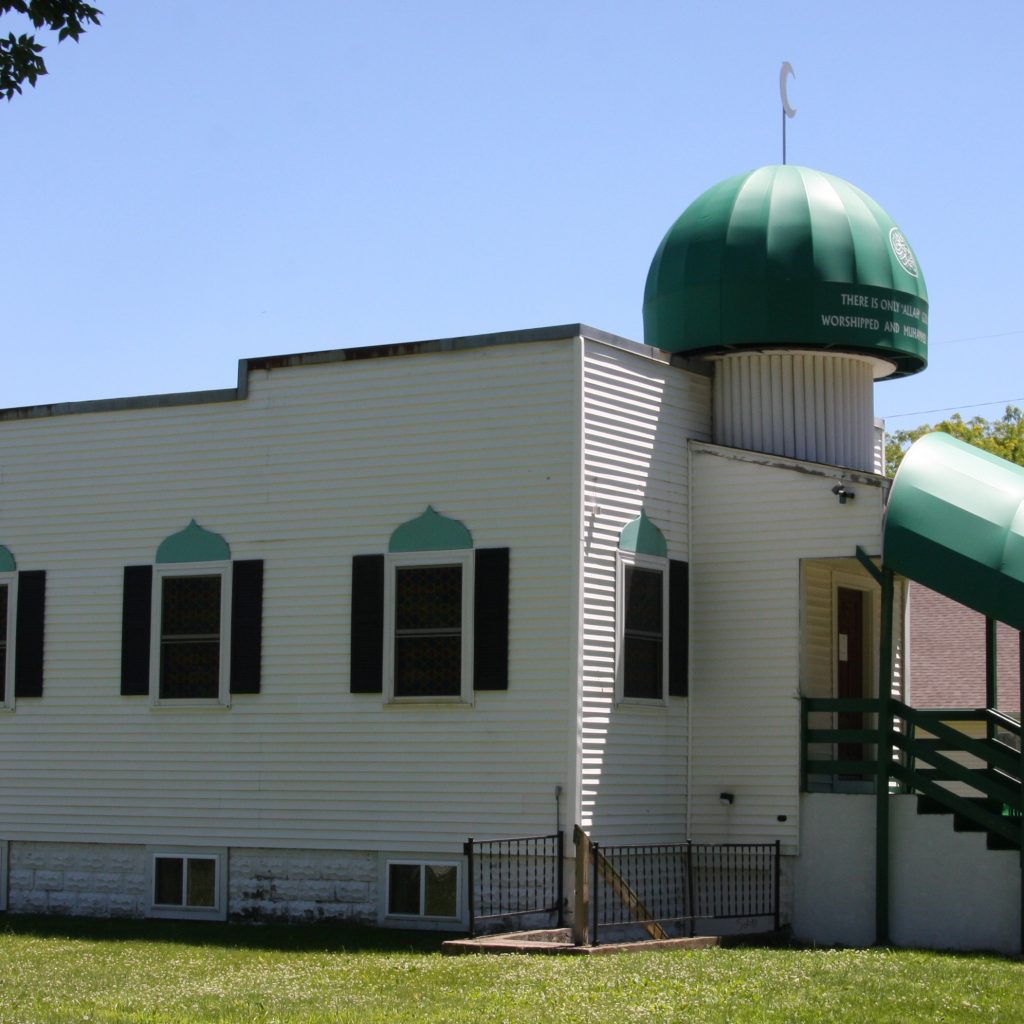
Mosque bulldozed by state authorities in India
Demolition is latest in series of bulldozer actions in BJP-governed states that critics say disproportionately target Muslim properties
© File Photo
SITAPUR, India (MNTV) — Indian authorities demolished a mosque in Uttar Pradesh’s Sitapur district early Monday, dispatching three bulldozers and nearly 500 police officers to raze the structure before dawn.
Officials say the mosque in Naigaon Behati village had been built illegally on government land designated as a pond, and that a tehsil court had ordered its removal in January after the owners failed to comply with eviction notices.
The operation, led by Additional District Magistrate Nitish Kumar, began around 3 a.m. and was completed without reported violence. Authorities cited traffic concerns along the adjacent main road to justify the early morning timing of the operation.
A case against the structure was first registered in December 2025, and the court declared the construction illegal weeks later, an unusually swift legal timeline that critics may scrutinize. Maulana Abdul Rahman, associated with the mosque, described the matter as “political” but declined to elaborate.
The demolition adds to a growing pattern of bulldozer-led actions in states governed by India’s ruling Bharatiya Janata Party, particularly in Uttar Pradesh under Chief Minister Yogi Adityanath.
Human rights groups and opposition leaders have repeatedly accused the state of using demolitions as a tool of intimidation against Muslim communities, often under the cover of land encroachment laws. India’s Supreme Court had previously warned against demolitions carried out without adequate due process.
The UP administration maintained that the action was strictly lawful, saying it followed multiple notices, a court order, and provisions under Section 67 of the Uttar Pradesh Revenue Code.
No unrest has been reported in the area so far, with officials saying the situation remains under control. Critics, however, argue that until similar enforcement is applied equally across all communities, such operations will continue to raise serious questions about selective justice.



Read also