Pentagon seeks $200B as Iran war has no timeline
US defense chief admits open-ended conflict while Washington expands strikes and pressures Congress for massive funding
© Anadolu Agency
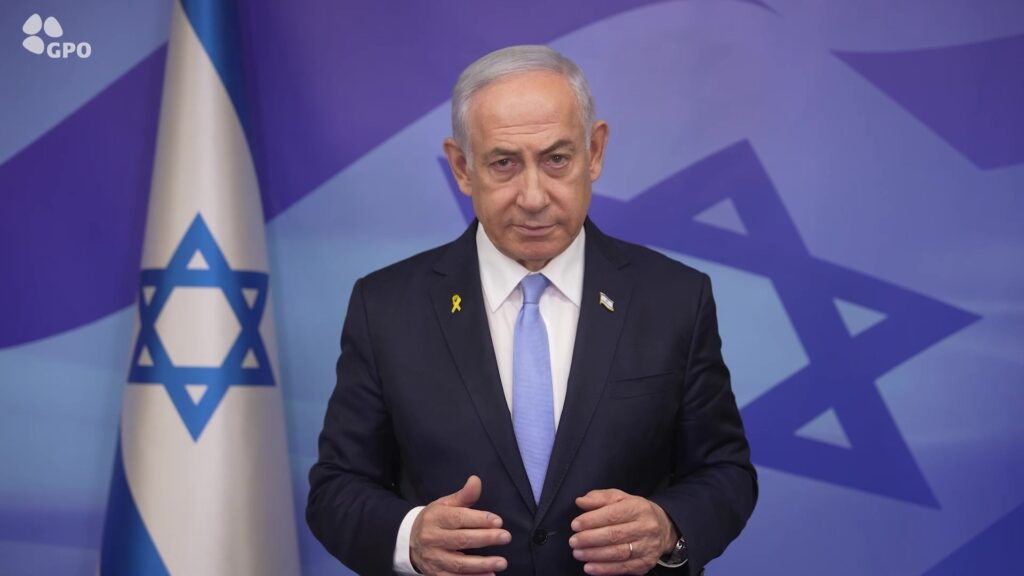
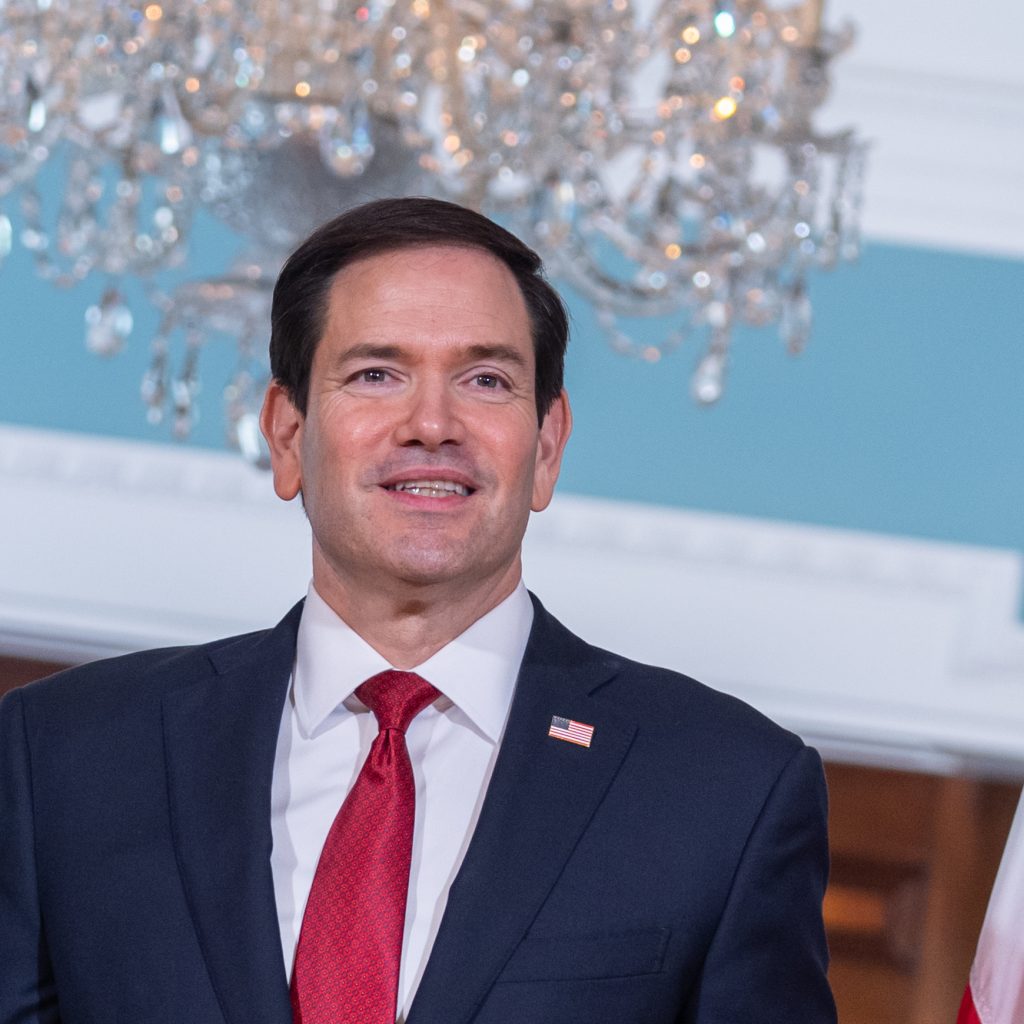
WASHINGTON (MNTV) — The Pentagon is seeking an additional $200 billion from Congress to sustain the US-Israel war on Iran, as Defense Secretary Pete Hegseth acknowledged there is no clear timeline for ending the conflict.
Speaking at a Pentagon briefing, Hegseth declined to confirm the exact figure but indicated the cost could increase, stating that further funding would be required for both ongoing operations and future escalation. The request, reported by multiple US outlets, comes on top of already massive military spending approved in recent months.
Hegseth made clear that the war’s duration would not be defined in advance, saying any decision to end the campaign would rest solely with President Donald Trump.
He claimed the US was “on track” militarily, even as Washington has already carried out more than 7,000 strikes across Iran, with officials preparing what they described as the largest wave of attacks yet.
The funding request has exposed deep political unease in Washington, where Congress has not formally authorized the war and lawmakers from both parties are demanding clarity on its objectives.
Critics warned that the administration is pushing for unprecedented military spending without a defined strategy, raising concerns over accountability and long-term consequences.
Despite controlling Congress, Trump’s Republican allies remain divided, with fiscal conservatives reluctant to approve such a massive increase, while Democrats have signaled strong opposition and called for detailed justification before approving any funds. Lawmakers overseeing defense spending stressed that the proposal would not be automatically approved without scrutiny.
The requested amount would significantly expand an already enormous Pentagon budget exceeding $800 billion, in addition to roughly $150 billion allocated through last year’s legislation.
Trump defended the spending, citing broader global instability, while attempting to shift blame onto previous administrations and other conflicts.
Meanwhile, US military operations continue to intensify across the region. Senior officials confirmed the deployment of A-10 aircraft in the Strait of Hormuz targeting Iranian vessels, while Apache helicopters are being used in Iraq against groups aligned with Tehran.
The expansion of operations underscores the widening scope of the war, which critics argue has been driven by US and Israeli escalation rather than defensive necessity.
Analysts warn that the absence of a defined timeline, combined with rapidly increasing costs and expanding military operations, reflects a deepening and potentially indefinite conflict that risks further destabilizing the region.


Read also