India’s street children celebrate Mamdani’s victory
As Zohran Mamdani becomes New York’s mayor, the echoes of his family’s work with India’s street children resurface in Delhi and Mumbai, where lives once shaped by his mother’s kindness now quietly celebrate his victory as their own
© MNTV
By Rohinee Singh
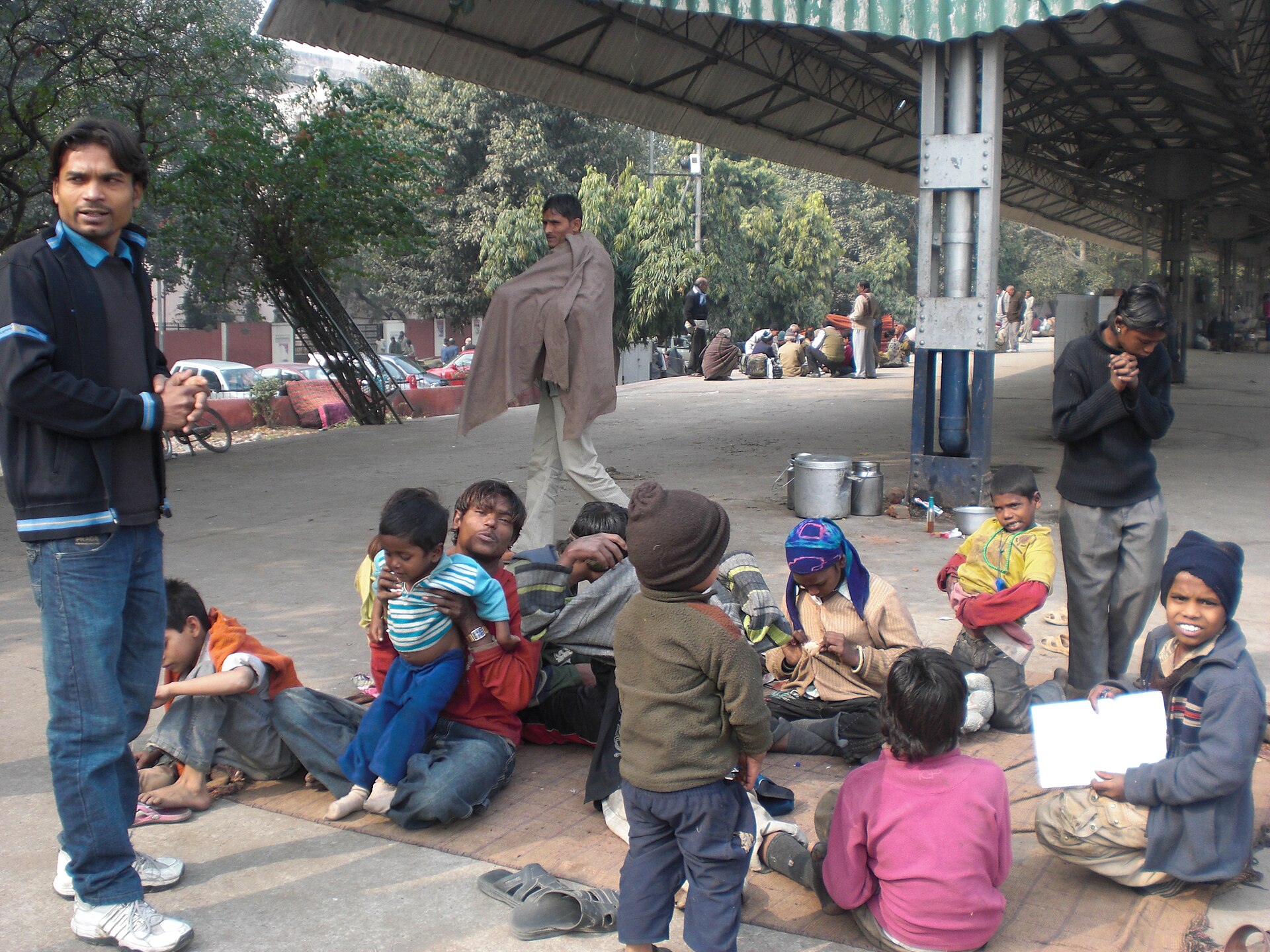
NEW DELHI (MNTV) — When news broke that Zohran Mamdani had won New York’s mayoral race, there was unexpected joy in places far from the city’s skyscrapers in the narrow lanes of Delhi’s Paharganj, near Mumbai’s crowded stations, and inside the humble shelters of the Salaam Baalak Trust (SBT).
There, former street children smiled at the name they have known for years, not as a politician, but as the son of Mira Nair, the woman who once turned their forgotten lives into a global story of dignity.
For them, Mamdani’s win feels personal — the triumph of a legacy that began on the streets of Bombay nearly four decades ago.
In 1988, Mira Nair released Salaam Bombay!, a film that changed how India — and the world — saw its street children. Made with children from Mumbai’s railway platforms and red-light areas, it earned an Academy Award nomination and international acclaim. But what mattered most began afterward.
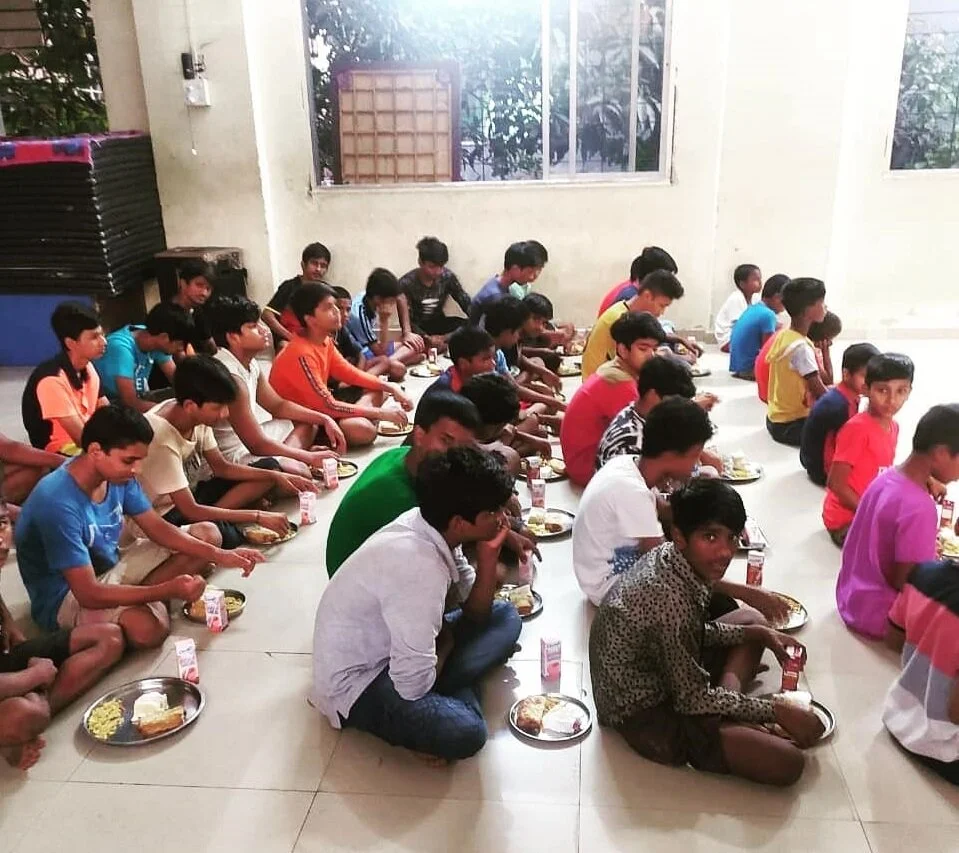
When the film ended, the young actors approached Nair with a simple plea: “Don’t forget us.” Moved, Nair and her mother, Dr. Praveen Nair, used the film’s proceeds to found the Salaam Baalak Trust in 1989. It started in a single rented room, offering food, care, and schooling to children rescued from the streets.
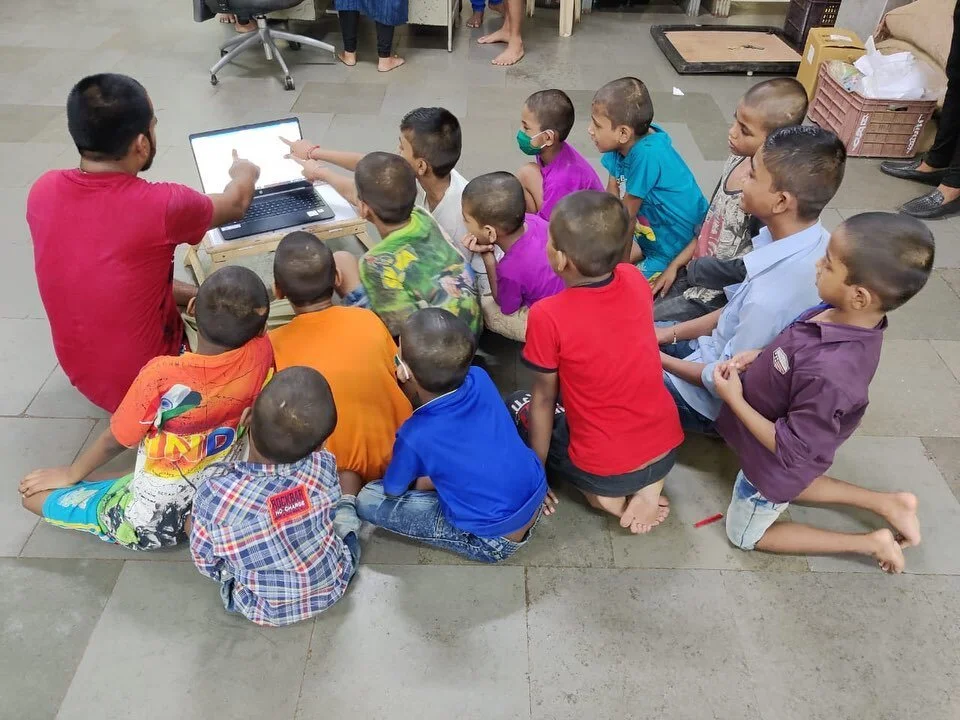
That small effort became a nationwide movement. Today, SBT runs 17 centers in Delhi and 14 in Mumbai, providing education, healthcare, counseling, and vocational training to over 3,000 children every year.
From the streets to success stories
Among those whose lives were transformed is Anand Amrit, who lost both parents at six and endured years of abuse from relatives in Delhi’s Kalkaji neighborhood. After running away, he survived on the streets, washing dishes at roadside eateries, sleeping in autorickshaws, and wrapping himself in newspapers during winter nights.
In 1995, police found him and brought him to SBT. “They gave me a pen and a notebook — and I started to live again,” he says. He finished school, studied computers, and later earned a scholarship to the United States. “SBT gave me a future. Without them, I wouldn’t have survived.”
Another is Vicky Roy, who fled his West Bengal village as a boy, chasing dreams of fortune. For months, he scavenged bottles at Delhi’s railway platforms until an SBT volunteer found him.
“They gave me four meals a day, clean clothes, and a school. It was like heaven,” he recalls.
Vicky discovered a passion for photography, trained under a local photographer, and rose to international fame. His work took him across continents, and he was one of four photographers chosen to document the reconstruction of New York’s World Trade Center. A film based on his life, scripted by Sooni Taraporevala, is slated for release in 2027.
“When I was in New York, Mira didi would invite me for home-cooked meals,” he says. “Now her son is the mayor — it feels like our family’s win.”
Mamdanis behind the movement
The Trust’s story began, fittingly, with a question. At the success party of Salaam Bombay!, co-founder Zarin Gupta, then a medical social worker, asked Nair, “What will happen to these children now?”
A few months later, Nair called her back. “Let’s start something permanent,” she said. The film’s earnings became the seed money. Gupta left her job at Mumbai’s JJ Hospital to help run the shelter.
Four decades later, SBT remains anchored by the Nair family. Dr. Praveen Nair continues as chairperson emeritus, while Mira stays involved, visiting centers whenever she’s in India.
“Her connection has never faded,” says Dr. Sanjoy Roy, head of SBT’s Delhi chapter. “She may live abroad, but her heart has always been with these children.”
Under Roy, SBT’s Delhi unit now runs a thriving theatre and arts program. Its film Anuja, co-produced by SBT and starring former street child Sajda Pathan, earned an Oscar nomination — a testament to the creativity the Trust nurtures.
Mamdani, who was born in Uganda to Indian parents and raised in New York, has often spoken about how his mother’s activism shaped his outlook. His campaign for affordable housing, immigrant rights, and social justice reflected the empathy he grew up with — the same empathy that turned a film into a movement for children once left invisible.
For many SBT alumni, that connection makes his victory special. “Zohran’s success shows how far kindness can travel,” says Amrit. “His family gave us life. Now he’s giving a voice to millions in another part of the world.”
Quiet celebration in Delhi and Mumbai
While the Trust itself avoids political discussions, the alumni community is quietly celebrating.
“We are apolitical, but this is more than politics,” Gupta says. “It’s about continuity — how compassion in one generation can echo across oceans in another.”
At SBT’s shelters, the younger children have yet to learn about Mamdani. “We’ll tell them when the time is right,” Gupta adds. “They should know that one of their extended family is now shaping the future of New York City.”
The story that began with Salaam Bombay! has come full circle. From the streets of Mumbai to the mayor’s office in New York, the Nair-Mamdani family’s legacy stands as proof that empathy travels — and that sometimes, the children once saved by a film can grow up to cheer for the son of the woman who changed their lives.
And so, in the quiet corners of India’s megacities, the children of the street whisper their own prayer for the mayor across the ocean — a prayer of gratitude, pride, and remembrance.



Read also