Hindu extremist groups target more mosques in India
Fresh demands over alleged land violations deepen fear among Muslims after earlier mosque dispute in Himachal Pradesh
© File Photo
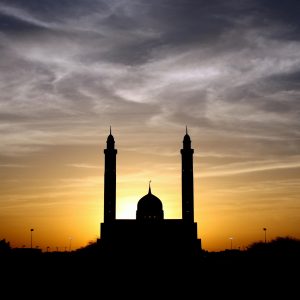
NEW DELHI, India (MNTV) — Hindu supremacist organizations have widened an aggressive campaign against Muslim places of worship in India’s northern Himalayan state of Himachal Pradesh, issuing public threats and demanding state action against additional mosques after a dispute over a mosque in the state capital.
The escalation follows weeks of pressure by Hindutva groups over the Sanjauli Mosque in Shimla, where Hindu extremists demanded the demolition of parts of the structure, invoking allegations of illegality.
Now, the same groups are targeting mosques in Nerwa, a rural area near the Uttarakhand border, signalling what Muslim residents describe as a coordinated attempt to intimidate the community and place its religious sites under siege.
On Tuesday, the Hindu Raksha Manch, a hardline Hindutva organization, held a press conference in Shimla claiming that three mosques in Nerwa were built on government land. Citing information obtained under India’s Right to Information law, the group openly warned of street mobilization if authorities did not act against the structures.
Such public threats, delivered outside any judicial process, have intensified fear among Muslim residents, who say they are being singled out through accusations aired in the media rather than examined through lawful procedures.
The organization’s leadership went further, invoking familiar Hindutva rhetoric about “demographic change” — a phrase widely viewed by rights groups as a dogwhistle used to stigmatize Muslim presence and justify attacks on religious spaces across India.
Muslim residents in Nerwa said they were being publicly accused and vilified without notice or hearing. Local mosque committee members said the language used by Hindu extremist groups amounted to intimidation, with mosques portrayed as illegal by default.
“If there is any issue with land records, it should be examined by law,” one resident said. “Instead, we are facing threats and public naming. Only Muslim places are being framed as a problem.”
Community leaders say the pattern mirrors similar campaigns seen elsewhere in India, where Hindutva groups first raise allegations, amplify them through media pressure, and then push administrations toward punitive action — often against Muslim religious or cultural spaces.
The controversy has placed additional strain on the Congress-led state government headed by Chief Minister Sukhvinder Singh Sukhu. Muslim groups have urged the administration to protect minority rights and prevent public threats against places of worship.
As tensions rise, Muslim residents across the state say they fear that aggressive street mobilization by Hindu nationalist organizations — rather than law or evidence — is increasingly shaping how disputes over religious sites are addressed.



Read also