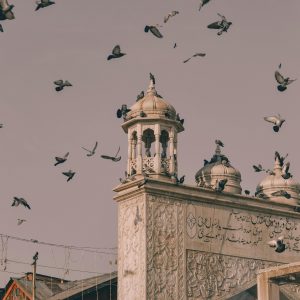
Digital project at Türkiye’s Grand Mosque brings Islamic calligraphy to life
© File Photo
Visitors to historic Ulu Cami can now access audio-visual insights on calligraphy via QR codes, promoting cultural heritage education
BURSA, Türkiye (MNTV) — Visitors to the Grand Mosque of Bursa, Türkiye, or Ulu Cami, can now learn about the mosque’s famed Islamic calligraphy works using QR code technology in a new initiative that blends cultural preservation with digital innovation.
Launched by the mosque’s restoration and maintenance association, the project features QR codes installed at three entrances of the mosque.
When scanned using a smartphone, the codes provide detailed written, audio, and visual information about the meanings, styles, and history of 110 framed calligraphic inscriptions displayed within the mosque.
Built between 1396 and 1399 under the rule of Ottoman Sultan Yıldırım Bayezid, Ulu Cami is one of the most prominent religious landmarks in the Turkish-Islamic world.
Ottoman traveler Evliya Çelebi famously referred to it in his Seyahatname as “the Hagia Sophia of Bursa” and “the sultan of all mosques.”
The mosque, often described as a “museum of calligraphy,” houses 192 pieces of Islamic calligraphy, including 87 written directly on its walls and 110 framed panels.
These were created by 41 calligraphers in 13 styles and include Qur’anic verses, hadiths, the Names of God (Asma’ul Husna), and names of the Prophet Muhammad and other revered Islamic figures.
Notable calligraphers represented include Abdülfettah Efendi, Kazasker Mustafa İzzet Efendi, Sami Efendi, and Mehmed Şefik Bey. One inscription is attributed to Sultan Mahmud II.
The Arabic letter “waw,” a revered motif in Islamic calligraphy, is featured in many of the designs.
“We wanted to help young people connect with this art, not just admire it from afar,” said Hilmi Şanlı, head of the mosque’s overseeing association.
“The QR project is based on academic research by university scholars, and we’re proud to bring this treasure into the digital age.”
Currently available in Turkish, the audio-visual content will soon include English and Arabic translations to better serve international visitors. The initiative also aims to provide online access for remote audiences.
Şanlı noted that the project could serve as a model for other major mosques, including the Blue Mosque, Hagia Sophia Grand Mosque, and Selimiye Mosque.
Read also