Bangladesh protests erupt after youth leader Sharif Osman Hadi dies following shooting
Hadi rose to prominence during the July 2024 mass uprising that ended Sheikh Hasina’s 16-year rule, which human rights experts say had become increasingly authoritarian
© Commons
DHAKA, Bangladesh (MNTV) — The death of prominent youth activist Sharif Osman Hadi has triggered nationwide protests in Bangladesh, raising fresh concerns over political violence as the country prepares for its first national election since the ouster of former Prime Minister Sheikh Hasina.
Hadi, 32, was shot in the head on December 12 while leaving Friday prayers at a mosque in Dhaka. Masked gunmen on a motorcycle opened fire near the Paltan area before fleeing the scene. He was rushed to hospital in critical condition and later airlifted to Singapore General Hospital, where he died six days later.
The killing came one day after authorities announced the election date, fueling widespread belief that the attack was politically motivated and intended to intimidate reformist voices during Bangladesh’s fragile democratic transition.
Nobel laureate Muhammad Yunus, who heads the caretaker government, described Hadi’s death as “an irreparable loss for the nation” and warned that the shooting was aimed at sabotaging the electoral process.
He vowed that the transition to democracy would not be derailed by violence.
Hadi rose to prominence during the July 2024 mass uprising that ended Sheikh Hasina’s 16-year rule, which human rights experts say had become increasingly authoritarian.
A political science graduate from the University of Dhaka, Hadi served as a local coordinator during the protests and later became a leading spokesperson for the youth-led movement.
He co-founded Inqilab Moncho (Revolutionary Platform), a political and social movement advocating what it called an “insaf-based state,” drawing on Islamic concepts of justice, accountability, and dignity.
His speeches, widely circulated on social media, resonated with young Bangladeshis frustrated by corruption, repression, and elite-driven politics.
In recent months, Hadi announced plans to contest the February 2026 elections as an independent candidate in Dhaka-8, a rare move in a political system dominated by powerful parties.
He openly criticized both the ruling establishment and opposition groups, accusing them of sidelining the spirit of the July uprising.
Hadi was also known for his sharp criticism of foreign influence in Bangladesh, particularly from India, arguing that genuine democracy required full national sovereignty.
Authorities said Hadi had previously reported death threats.
Police have identified several suspects linked to the Awami League and detained at least 20 people in connection with the attack, though the alleged gunman remains at large, with speculation that he had fled across the border to India.
A reward has been announced for information leading to arrests.
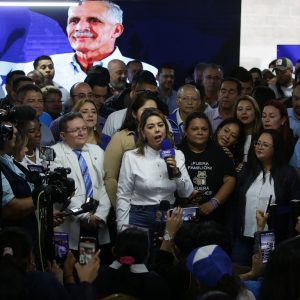
News of his death sparked protests across Dhaka and other cities, with demonstrators blocking roads and chanting slogans demanding justice.
The government declared a half-day of mourning and announced special prayers at mosques nationwide.
Related posts

Read also