8 hours ago
Bangladesh faces nearly 5M climate-displaced people
Nationwide assessment finds long-term climate displacement deeply entrenched, with rural communities bearing overwhelming burden across Bangladesh’s disaster-prone regions
© File Photo
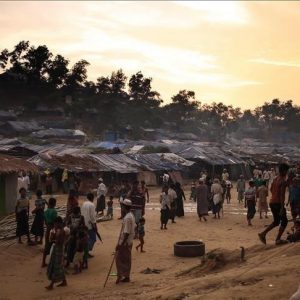
DHAKA, Bangladesh (MNTV) — Nearly five million people across Bangladesh are now living as internally displaced persons due to recurring climate-driven disasters, according to a new nationwide assessment that underscores the scale and permanence of the country’s displacement crisis.
The findings, published by the International Organization for Migration (IOM) in collaboration with national authorities, offer the first verified estimate of disaster-induced internal displacement in Bangladesh.
According to the assessment, 4.95 million people have been uprooted by floods, cyclones, river erosion, tidal surges and other hazards — many of them repeatedly over the past decade as climate impacts intensify.
Strikingly, nearly two-thirds of those displaced have been living away from their original homes since before April 2020, indicating long-term, unresolved displacement rather than short-term crisis migration.
Another quarter were displaced between 2020 and 2024, while displacement has continued into the present year, highlighting how extreme weather events are driving constant population movement in one of the world’s most climate-vulnerable countries.
While displacement affects all regions of Bangladesh, the concentration is uneven. Southern and central districts exposed to coastal surges and riverbank erosion host some of the highest numbers, while northern flood-prone areas continue to see recurring waves of forced movement.
The survey found that most displaced families — around 85 percent — remain in rural union areas, where livelihoods are fragile and infrastructure is limited, leaving communities exposed to repeated climate shocks. Only a small share live in urban municipalities or major cities.
IOM said the assessment, carried out in September and October 2025, involved more than 5,000 field visits and interviews with nearly 30,000 key informants across all divisions and districts. The organization described it as the most comprehensive displacement mapping ever undertaken in Bangladesh.
“Understanding the scale of displacement is essential for effective disaster management and long-term planning,” said Lance Bonneau, IOM’s chief of mission in Bangladesh. “These findings give national authorities, local leaders and development partners a shared foundation to respond with greater clarity and coordination.”
Officials say the data will play a key role in implementing the country’s National Strategy on Internal Displacement Management, which calls for systematic tracking of displaced populations and stronger climate-adaptation planning as Bangladesh confronts rising sea levels, intensifying storms and worsening erosion.


Read also