Arakan Army forces Rohingya to recruit in Myanmar
Rohingya residents say armed ethnic group is coercing men, women, and children to join its forces amid tightening control in Arakan State
© Anadolu Agency
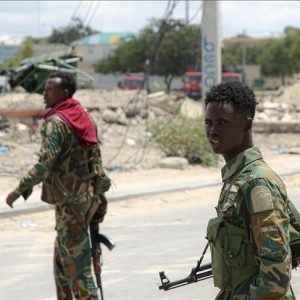
NAYPYIDAW, Myanmar (MNTV) — Rohingya residents in northern Maungdaw Township say the Arakan Army is forcibly recruiting Rohingya men, women, and children, deepening fears among an already persecuted minority caught between Myanmar’s military collapse and the rise of new armed authorities in western Myanmar.
Accounts from local residents, reported by Rohingya Khobor, describe armed representatives of the Arakan Army ordering Rohingya families to provide at least one member per household for recruitment. The alleged orders were delivered during village meetings held last week in northern Maungdaw, an area now largely under Arakan Army control.
According to residents, community members were summoned to local schools and meeting halls, where they were told recruitment was mandatory. Families without adult men were instructed to send women instead, while residents say children under the age of 18 were not exempt. Several villagers said refusal was not presented as an option.
The Arakan Army is an ethnic Rakhine armed group that has expanded rapidly amid Myanmar’s civil war, positioning itself as a dominant force in Arakan State following the weakening of the Myanmar military.
While the group claims to be fighting for Rakhine self-determination, Rohingya rights advocates say its rise has brought new forms of coercion and exclusion for Rohingya Muslims, who remain stateless and unprotected.
Residents said Arakan Army officials told villagers that educated recruits would be assigned to administrative or education-related duties, while others would undergo military training. Training was described as lasting 45 days, though many fear recruits may be deployed indefinitely or sent to conflict zones without consent.
Alongside recruitment, residents report sharply increased restrictions on movement. Travel between northern and southern parts of Maungdaw Township has become tightly controlled, with permission letters now required even for medical emergencies or funerals.
Residents say these permits cost between 10,000 and 20,000 Myanmar kyats ($4.75 to $9.50), placing them beyond the reach of many families living in extreme poverty.
The combination of forced recruitment and movement controls has intensified fears of renewed displacement. Some residents said families are preparing to flee toward Bangladesh, which already hosts nearly one million Rohingya refugees following Myanmar’s 2017 military crackdown.
Human rights advocates warn that the reported practices reflect a broader pattern in which armed actors — both state and non-state — exploit Rohingya vulnerability. With no legal protection, no freedom of movement, and no political representation, Rohingya communities remain exposed to abuse regardless of who controls territory.

Read also