On International Day to Protect Education from Attack, Gaza’s classrooms lie in ruins
Over 90 percent of Gaza’s schools and universities are damaged, while more than half of religious sites have been reduced to ruins
© Anadolu Agency
By Safeer Raza
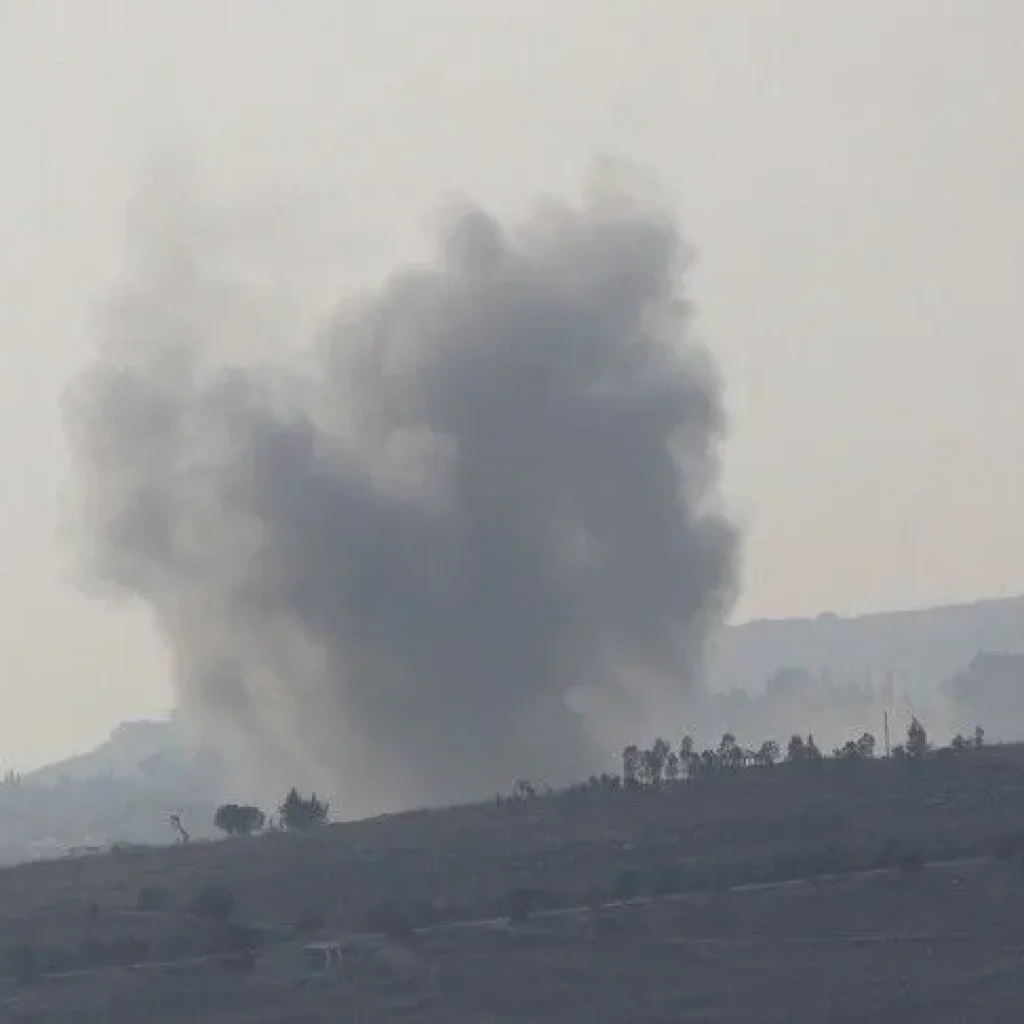
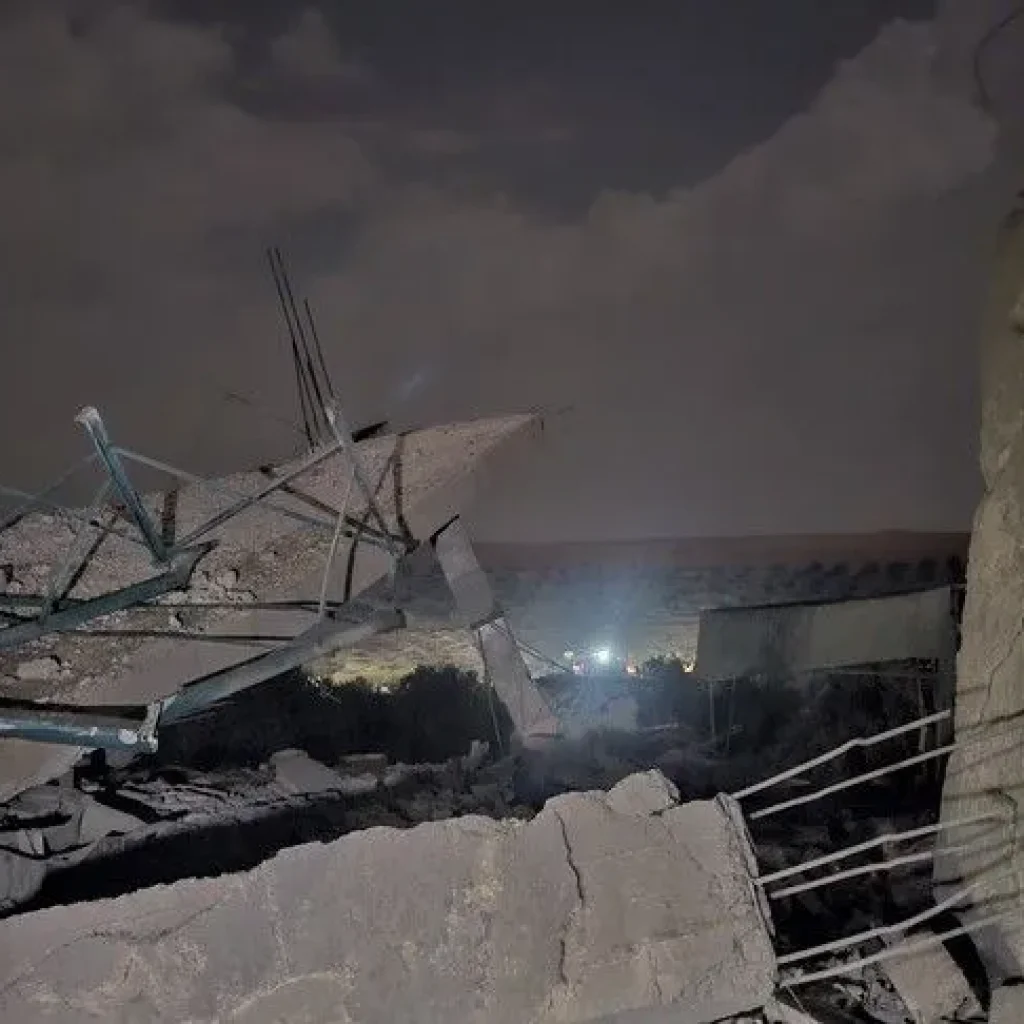
GAZA CITY (MNTV) — As the world marked the International Day to Protect Education from Attack, Gaza stands as a grim example of what the United Nations calls a global crisis. Schools, universities, and cultural centers across the territory have been bombed into rubble, with growing evidence that Israel is deliberately targeting educational institutions.
According to the United Nations Independent Commission of Inquiry, more than 200 schools have been directly struck by Israeli forces since October 2023. Over 90 percent of Gaza’s schools and universities are now damaged or destroyed, while more than half of religious and cultural sites have also been reduced to ruins. An UNRWA survey found that nearly 77 percent of all school buildings had sustained damage, including dozens converted into makeshift shelters for displaced families.
“This is not accidental,” said Muhammad Waqas, professor of history and a cultural anthropologist at Quaid-i-Azam University.
“For decades, Israel has tried to erase Palestinian memory. Now it is targeting schools to reduce the number of educated children, because an educated child resists erasure.”
He explained that Gaza once had one of the highest literacy rates in the world, with nearly 97 percent of children aged three to fifteen enrolled in school.
“When children can read, they can preserve their own story. That is Israel’s biggest challenge.”
The UN Commission’s June 2025 report concluded that the destruction was part of a “systematic campaign of extermination,” not collateral damage.
It warned that strikes on schools and cultural sites are attempts to dismantle Gaza’s educational and cultural foundations altogether.
Lutuf Muhammad, a prominent law professor and educationist, told MNTV that the devastation also exposes how international law has been gutted of meaning.
“What was once considered an ideal of war — protecting civilians and schools — has been shattered so completely it feels like it never existed,” he said.
“Israel, with its allies, has made the legal, moral and political language defunct. International law has become a dead composition of words.”
The humanitarian toll has been staggering. Human Rights Watch documented multiple fatal strikes on schools used as shelters, including the 2024 bombing of Gaza City’s Al-Zeitoun C School, which killed at least 34 civilians.
UNESCO has condemned the bombardments, stressing that attacks on schools violate international humanitarian law, especially when they protect civilians during armed conflict.
Another UN report estimated that 658,000 children in Gaza have been denied access to education for more than 18 months.
Waqas called this a form of “cultural annihilation.”
He said, “When you destroy schools, you are not just destroying buildings. You are killing knowledge, you are killing memory, and you are killing a future. That is scholasticide.”
As the world observes the International Day to Protect Education from Attack, UN experts warn Gaza exemplifies the very catastrophe the day was meant to prevent.
Rights groups stress that safeguarding schools during conflict is not optional but a binding duty.
Analysts fear that beyond the immediate trauma, the collapse of Gaza’s education system will leave a generation without hope, routine, or the tools to rebuild their future.



Read also