Medical Breakthrough! Toronto Doctor Develops Device for Testing and Treating Donor Lungs.
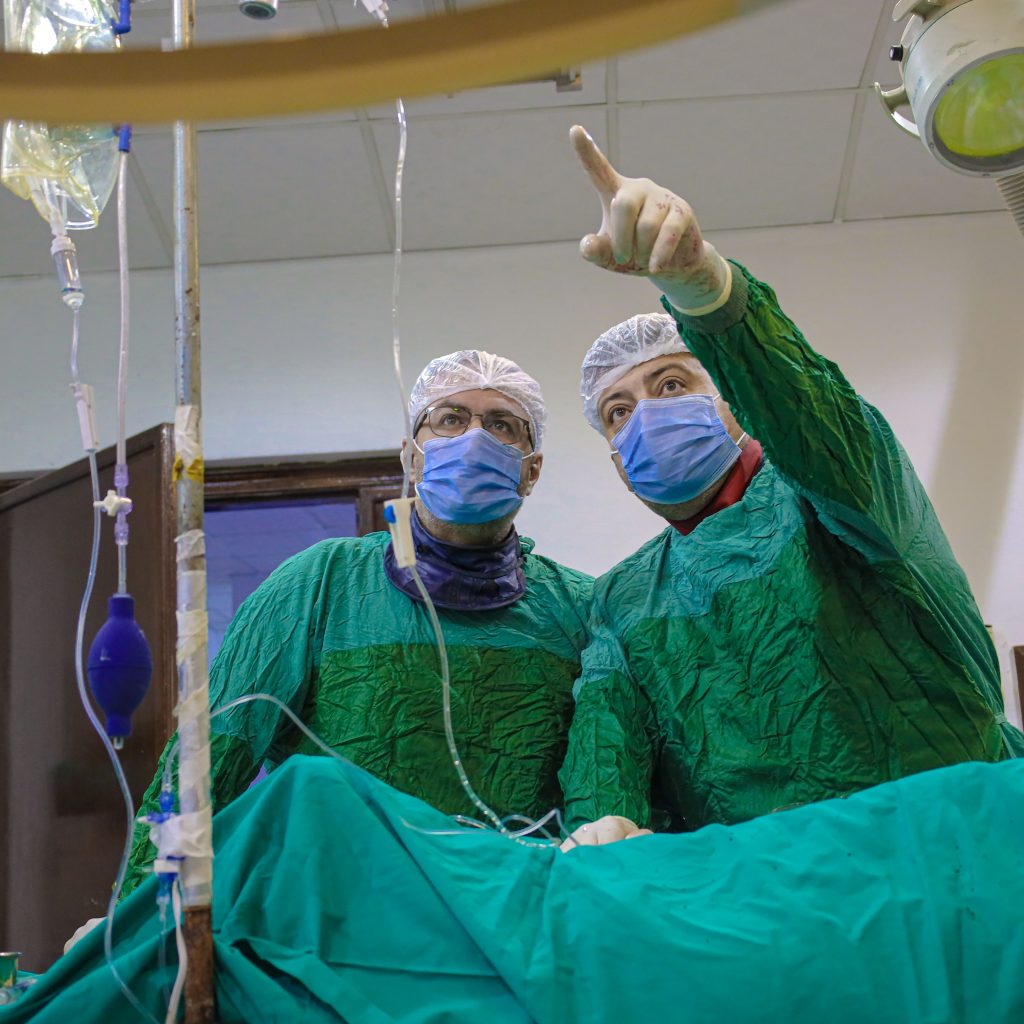
Dr. Shafique Keshavjee, Surgeon-in-Chief of the Sprott Department of Surgery and Director of the Toronto Lung Transplant Program at UHN, is advancing the Ex Vivo Lung Perfusion (EVLP) platform developed at Toronto General Hospital. This innovative technology keeps donor lungs functioning outside the body, allowing clinicians to assess and repair them.
“We interrogate them, we can assess them, and we can fix them with gene therapy and stem cells,” he explained in a recent interview with the press. The donor lungs are placed inside a protective dome and supplied with all critical components, enabling them to breathe independently for up to 12 hours.
“If we can achieve this, the next step is to transition to in-vivo lung perfusion, where we fix lungs inside the body. I believe that will lead us to a point where we can identify and rectify diseases within the patient,” he added.
Dr. Shafique noted that of the more than 4,600 lung transplants performed worldwide each year, about 80 percent of donor lungs are deemed clinically unacceptable for transplant. Patients who do receive a transplant typically have a median survival of roughly six and a half years. His long-term ambition is to repair damaged organs using gene therapy and stem cells, and to explore alternative sources for organ creation.
“There are various potential sources. We could grow new organs from stem cells or use artificial lungs or those derived from animals, introducing human stem cells or epithelial cells to create a new lung,” Dr. Shafique stated.
When human trials commence next year, he plans to inform patients that receiving a transplant is “not a simple solution to a very complex problem.”
“Once we transplant the lung, the recipient spends the rest of their life trying to prevent organ rejection. The first gene therapy attempts we will initiate next year aim to make the organ resemble its original state more closely to reduce the likelihood of rejection,” he explained.
“The subsequent step would be to create an organ that does not require any immunosuppressive medication. Can we develop an organ that is essentially you?”
Dr. Shafique’s long-term vision is to reach a point where damaged lungs can be repaired within a patient’s body, eliminating the need for a transplant.
He was present for the first-ever successful lung transplant in the world in 1983, which took place at Toronto General Hospital, and again for the first double lung transplant in 1986.
About Dr. Shafique Keshavjee:
Dr. Shaf (as he is affectionately known) has served on the boards of several organizations, including the International Society for Heart and Lung Transplantation, the Canadian Society of Transplantation, and the American Association for Thoracic Surgery.
His extensive list of awards includes notable recognitions such as the George Armstrong Peters Young Investigator Award, Canada’s Top 40 Under 40 Award, the Colin Woolf Award for Excellence in Medical Education, and the Lister Prize in Surgery, the highest accolade for research achievement in the Department of Surgery at the University of Toronto.
He has received Lifetime Achievement Awards from the Canadian Society for Transplantation and Canadian Blood Services, as well as the Innovation Award from the American Society of Transplantation for his contributions to lung transplantation.
Dr. Shaf has received two Queen Elizabeth II Diamond Jubilee Medals and the national Governor General’s Award for Innovation. He was appointed an Officer of the Order of Canada in 2013 and received the Order of Ontario in 2014.
*****
Related posts


Read also